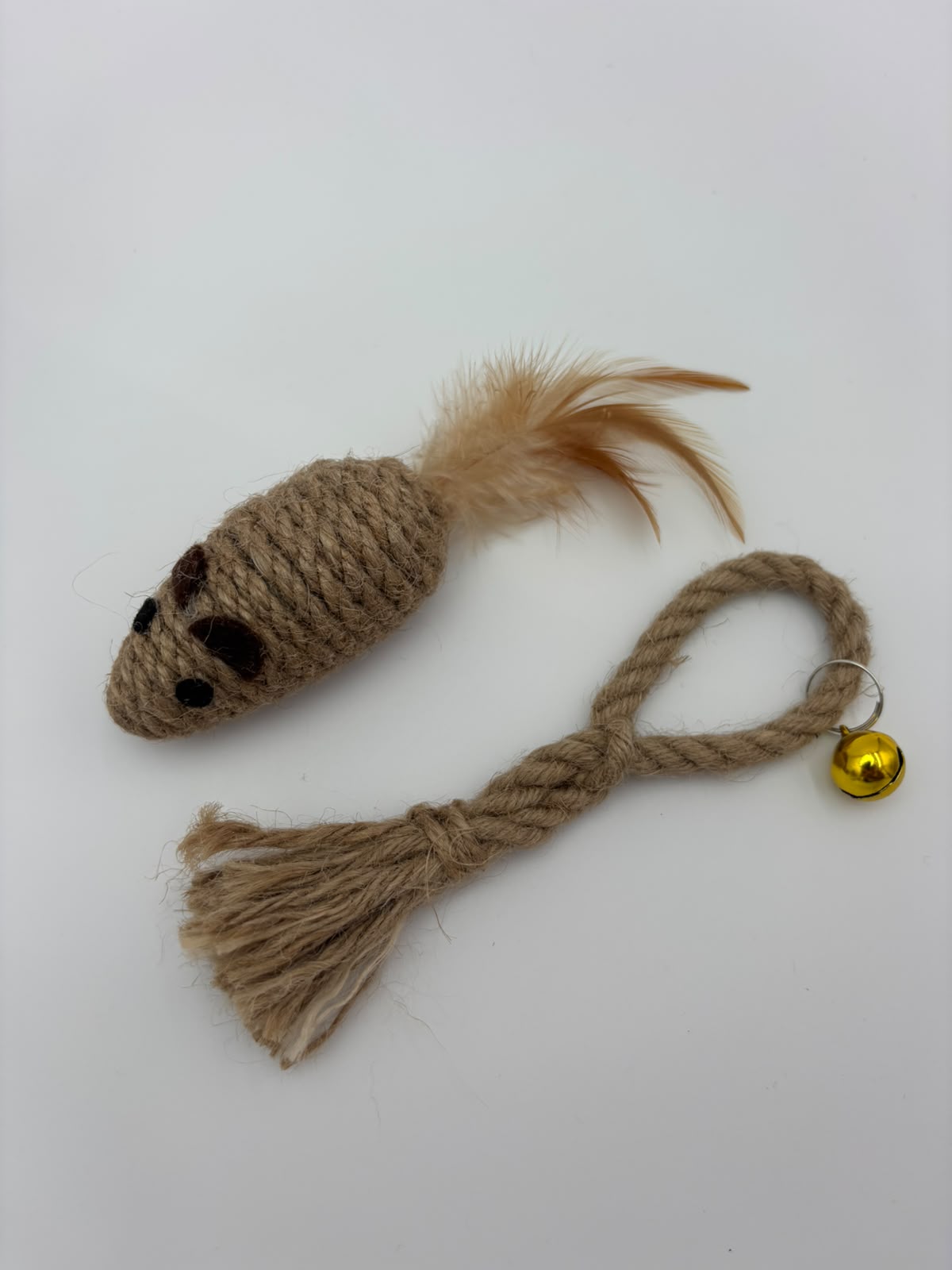


Understanding and Managing Destructive Cat Behaviour When Left Alone

You open the front door after a long day at work, only to find your favourite cushions in tatters and the curtains looking like they've been through a blender. It's a distressing sight that leaves many owners wondering if their feline friend is acting out of spite or anger. In reality, destructive cat behaviour when left alone is rarely about malice; it's usually a sign of a bored or anxious pet trying to satisfy their natural hunting instincts in an empty house. We understand the frustration of ruined furnishings and the genuine worry you feel for your cat's emotional well-being whilst you're away.
The good news is that a few simple changes to your daily routine can transform your home back into a peaceful sanctuary. This guide will help you understand the triggers behind those shredded surfaces and provide practical, easy-to-implement enrichment ideas to encourage calmer habits. You'll learn how to channel that misplaced energy into positive outlets, such as interactive play with tools like The String Thing, ensuring your cat feels settled and satisfied. We'll explore how to create a happy environment where your cat no longer feels the need to lash out at your upholstery.
Key Takeaways
- Understand that your cat's actions aren't driven by spite, but are actually a natural expression of their hunting instincts that need a proper outlet.
- Learn to identify the early warning signs of boredom and separation frustration, such as over-grooming or clearing objects from your kitchen counters.
- Discover how a structured play routine can curb destructive cat behaviour when left alone by satisfying your pet's need for physical and mental activity.
- Recognise the environmental triggers in your home, including the potential dangers of common UK houseplants and the importance of scent-marking zones.
- Explore how artisanal, movement-based enrichment can help your cat feel more settled and secure whilst you are away from the house.
Why Do Cats Become Destructive When Left Alone?
Finding your home in disarray after a few hours away is enough to make any owner sigh. It's easy to assume your cat is getting back at you for a long day at the office, but feline psychology is far simpler and much less vindictive. Destructive cat behaviour when left alone is almost always a physical response to an internal need, whether that's a drive to hunt, a need to mark territory, or simply a way to burn off excess energy in a static environment. At Marley Paws, we see these actions as misdirected natural instincts rather than naughty habits.
The Myth of the Spiteful Cat
Cats live firmly in the present. They don't possess the complex social spite required to plot revenge against their favourite human. When a cat shreds a rug whilst you're out, they aren't thinking about your absence; they're reacting to the stress of a quiet house or the frustration of being confined without a task. This separation-related frustration is often confused with clinical separation anxiety, but it's usually just a sign that your cat has run out of things to do. We define boredom-induced destruction as a survival instinct that's lost its proper target and found your furniture instead.
Energy Management and the Indoor Environment
Our indoor cats are still little predators at heart. In the wild, they'd spend their waking hours stalking, pouncing, and climbing trees to survey their kingdom. In a typical UK home, if there isn't any prey to chase, your curtains might become the next best thing for a high-speed climbing session. Kittens and young cats are especially prone to these high-energy outbursts because their hunting tanks are constantly overflowing. A lack of environmental enrichment means they'll create their own fun, which rarely aligns with your interior design choices.
To help manage this energy, it's useful to understand what your cat is actually trying to achieve through their behaviour:
- Scratching: A vital way to stretch their muscles and leave scent marks from glands in their paws.
- Chewing: Often a sensory exploration or a way to soothe the frustration of a boring afternoon.
- Climbing: A natural desire to reach high vantage points where they feel safe and secure.
By providing the right outlet for these gorgeous, wild instincts, you can protect your home. Using an interactive toy like The String Thing for a vigorous play session before you head out can drain that excess energy. When your cat has already had a successful hunt, they're much more likely to spend their solo time napping. Understanding that destructive cat behaviour when left alone is a call for engagement rather than a sign of malice is the first step toward a more harmonious home.
Common Signs of Boredom and Separation Frustration
Before the furniture suffers, there are usually quieter signals that a cat is struggling with their solo time. You might find your cat weaving between your legs more intensely as you prepare to leave, or perhaps they've started "reorganising" your bedside table while you're in the shower. These are subtle calls for attention. If these needs aren't met, they often escalate into more significant destructive cat behaviour when left alone as the cat seeks a more powerful way to release their building tension.
Physical indicators of a bored cat can be easy to miss if you don't know what to look for. Over-grooming, where a cat licks themselves until bald patches appear on their belly or legs, is a common sign of a cat trying to self-soothe. You might also notice smaller acts of defiance, such as knocking pens off desks or finding little piles of shredded post by the front door. Vocalisation patterns also change; a cat might start a series of low, repetitive meows the moment you reach for your car keys, signalling their frustration before you've even left the driveway.
The 'Zoomies' and Post-Departure Chaos
Ever wonder what happens the second you lock the door? Many owners who use pet cameras discover that their cats experience a massive burst of energy, often called the "zoomies," as soon as the house goes quiet. Without a human to interact with, that pent-up hunting energy has nowhere to go. A 2 p.m. sofa-shredding session is rarely a random act; it's often the climax of several hours of building frustration. By observing when these outbursts occur, you can better understand your cat's natural rhythm and tailor your play sessions to drain their energy before those peak times hit.
Tactile Seekers: Why Texture Matters
Not all destruction is created equal. Some cats are "fabric seekers" who love the resistance of a woollen throw or the weave of a linen curtain. Others are "crunchers" who prefer the solid resistance of a wooden banister or the plastic casing of a remote control. Fabric chewing, in particular, can be a sensory exploration that helps a frustrated feline feel more grounded. This is why we prioritise responsibly sourced, natural materials in our workshop. High-quality, tactile textures provide a satisfying sensory experience that mass-produced plastic toys simply cannot match. If you're noticing your cat targeting specific items, feel free to get in touch with us for a chat about their specific playing style and how to redirect those urges.
Identifying the Root Cause: Scratching, Chewing, and Mess-Making
To effectively manage destructive cat behaviour when left alone, we have to look at the world through a feline lens. In the wild, a cat's day is governed by a very specific rhythm: hunt, eat, groom, and sleep. When a cat lives indoors, especially in a quiet UK home whilst their owners are at work, this cycle often breaks down at the very first step. Without a successful "hunt" to kickstart the process, the cat never reaches the relaxed grooming and sleeping stages. Instead, they remain in a state of high alert, looking for any object that can provide the sensory feedback they crave.
The "mess-maker" who clears your bookshelves or knocks ornaments off the mantlepiece isn't just being clumsy. They are often testing their environment for movement or seeking a reaction. This behaviour provides immediate mental stimulation and mimics the way a predator might flush out prey from undergrowth. Similarly, chewing on houseplants is often a sensory exploration. For owners in the UK, it's vital to recognise that common flora like lilies, tulips, and azaleas are highly toxic. If your cat is targeting greenery, they are likely seeking the specific texture of plant matter to settle a bored stomach or an active mind.
Vertical vs Horizontal Scratching Preferences
Scratching is far more than just a way to sharpen claws; it's a full-body workout and a vital method of scent-marking. Every cat has a distinct preference for how they like to stretch. Some are vertical scratchers who love the height of a tall post, while others are horizontal fans who prefer the floor. If your cat is targeting the corner of your divan bed, it's usually because the sturdy frame and woven fabric provide the perfect level of resistance for a deep muscle stretch. By observing the angle and material they choose, you can provide durable, cat-tested alternatives that satisfy that specific physical need.
The Dangers of Boredom-Based Chewing
When a cat is under-stimulated, everyday items like electrical cords, plastic bags, or even shoe laces can suddenly look like fascinating "prey." This type of chewing is particularly dangerous, as it can lead to accidental ingestion or electrical shocks. Redirecting this urge towards safe, high-quality cat toys and accessories is the best way to protect both your pet and your home. Providing toys that encourage appropriate biting and kicking allows your cat to express their natural hunting instincts without the risks associated with household hazards. High-quality materials that have been tested by our own cats ensure that the play remains safe and satisfying.
Practical Strategies to Curb Unwanted Habits
Managing destructive cat behaviour when left alone starts with a proactive shift in perspective. Instead of reacting to a shredded rug after the event, we should aim to drain your cat's "hunting tank" before the house goes quiet. A predictable daily schedule acts as a comforting anchor for your feline friend. When they know exactly when to expect food, interaction, and rest, their overall frustration levels drop significantly. This consistency helps them feel secure, turning a potentially chaotic morning into a settled routine.
The 15-Minute Pre-Work Play Session
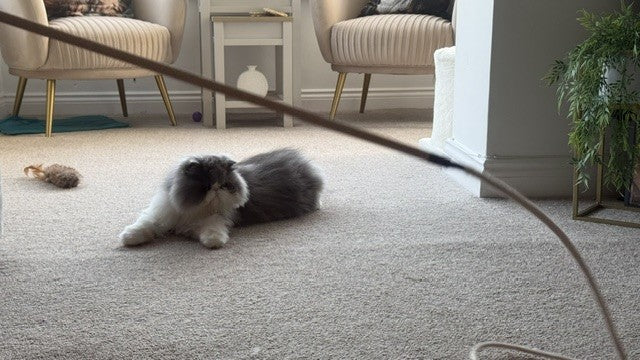
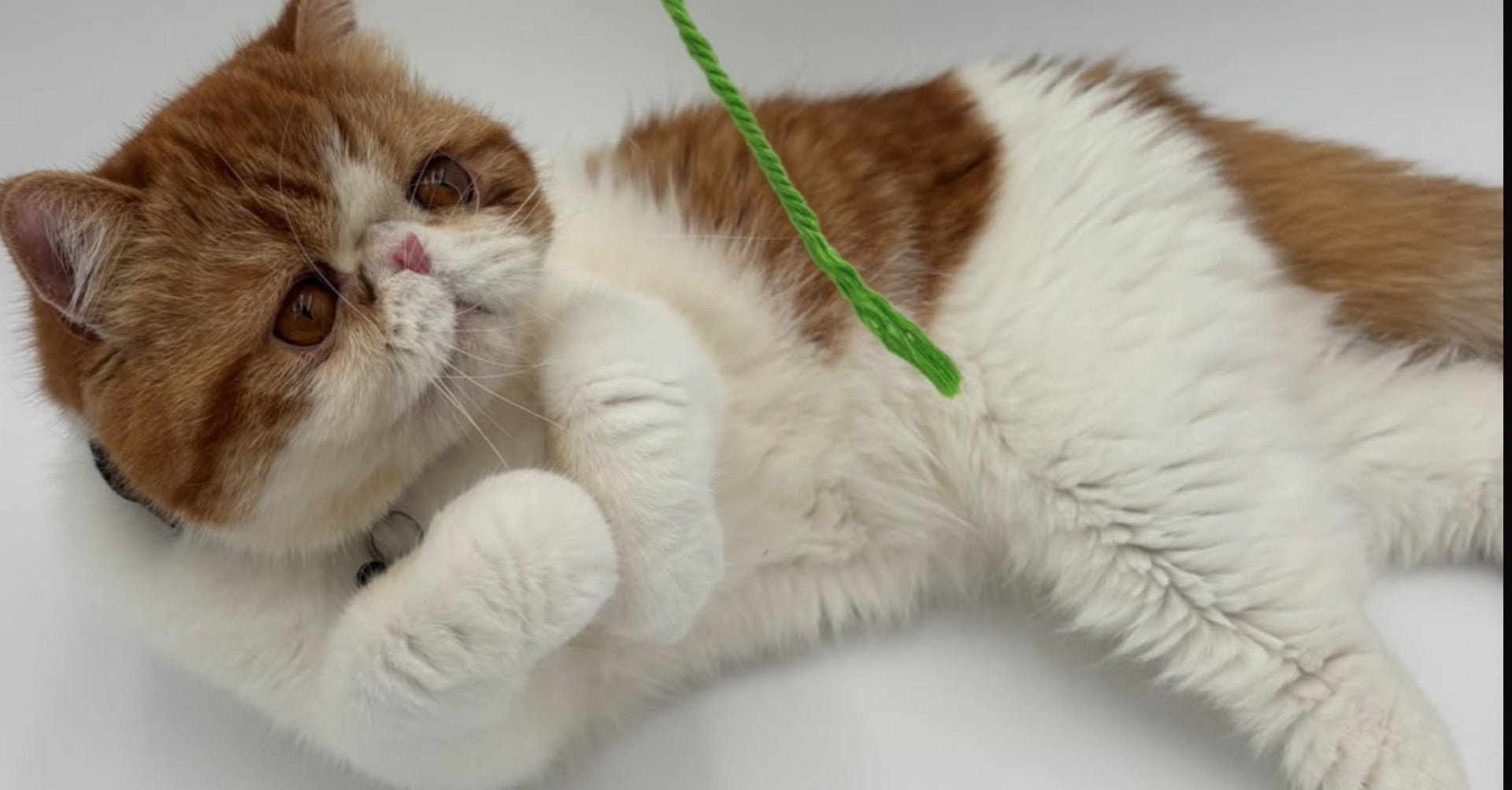
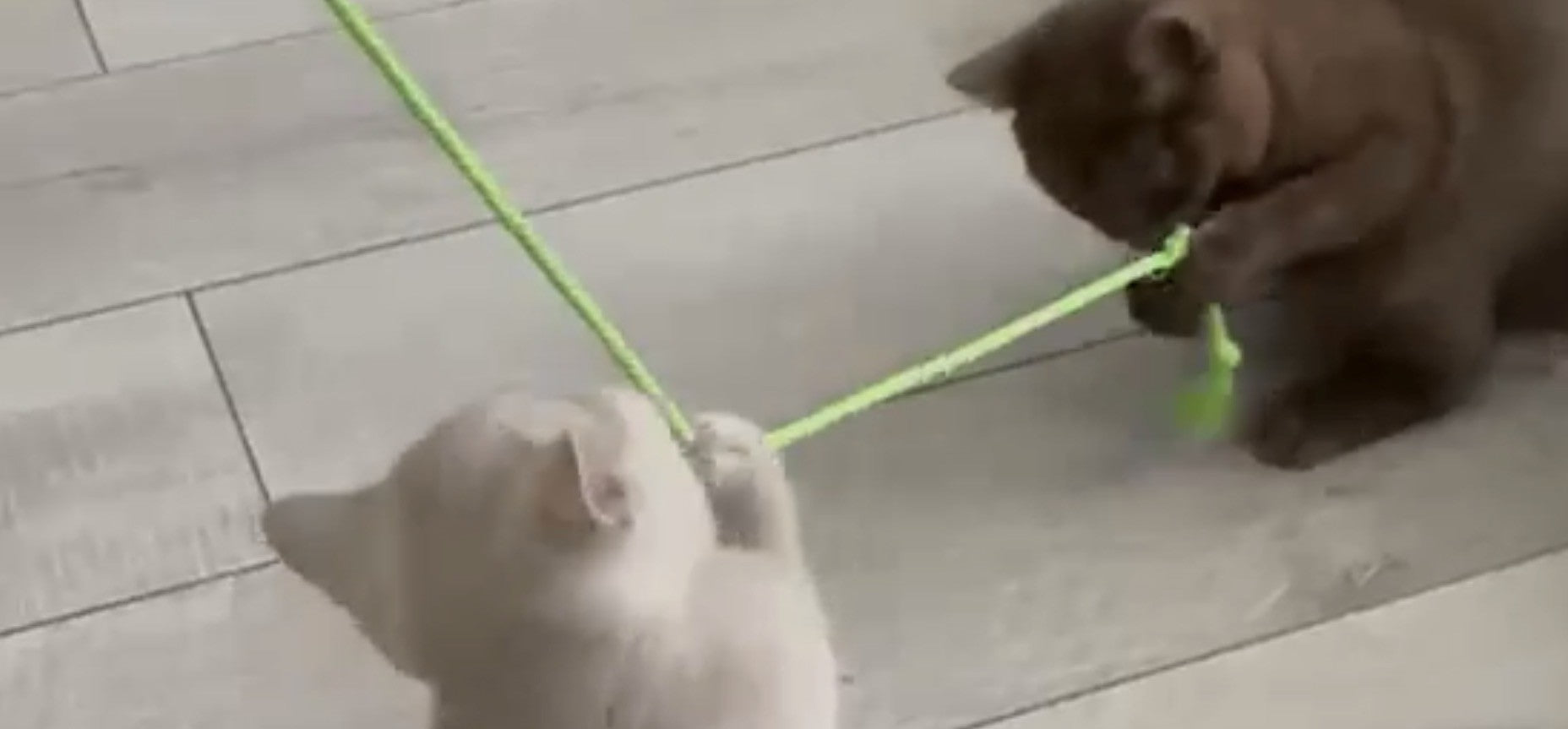
A quick, high-intensity session before you leave for work is far more effective than an hour of half-hearted dangling in the evening. Using a wand-style toy like The String Thing, you can lead your cat through a simulated hunt that mimics the erratic, darting movements of a bird or mouse. High-intensity movement is key here. You want your cat to crouch, stalk, and finally pounce with full focus. To satisfy the brain's reward centre, ensure they occasionally "catch" the toy at the end of a chase. This successful hunt signals to their body that the job is done, making it much easier for them to transition into the grooming and sleeping phase of their natural cycle whilst you are out.
Creating a 'Safe Haven' for Solo Time
Setting the scene for your cat's solo hours can make a world of difference to their emotional well-being. A dedicated safe haven doesn't need to be an entire room; a specific corner filled with their favourite scents and textures can work wonders. In many UK homes, vertical space is an untapped resource for enrichment. A sturdy window perch allows your cat to safely observe the garden, providing hours of mental stimulation. You might also consider using puzzle feeders to make meal times more engaging or pheromone diffusers to maintain a calm atmosphere. Encourage solo play with safe, durable toys that don't require your presence but still satisfy the urge to bat and pounce.
It's vital to never punish a cat for destructive behaviour after the fact. If you return home to find a mess, your cat will not connect your anger with an action they performed several hours ago. Punishment only creates fear and damages the precious bond you've built together. Focus instead on providing better outlets for their energy and rewarding the calm habits you want to see. If you're struggling to establish a routine that suits your cat's unique personality, we're always happy to help. You can reach out to us for personalised advice on choosing the best enrichment tools to keep your cat engaged and happy.
Enrichment Through Play: The Marley Paws Approach
At Marley Paws, we believe that play is the cornerstone of a contented feline life. It's the most effective way to address destructive cat behaviour when left alone because it deals with the root cause: an unfulfilled hunting instinct. When you engage your cat in a meaningful session of chase and pounce, you aren't just entertaining them; you're providing a vital service for their mental health. Our philosophy is simple. A cat that has successfully hunted at home is a cat that has no need to hunt your upholstery.
Interactive play creates a shared language between you and your pet. It strengthens the bond of trust and ensures that your cat sees their home as a place of excitement and satisfaction rather than a source of frustration. By making play a priority, you're investing in a long-term solution that protects your furniture and supports your cat's emotional well-being. This bond-building aspect is what transforms a house into a true sanctuary for both of you.
Why 'The String Thing' is Different
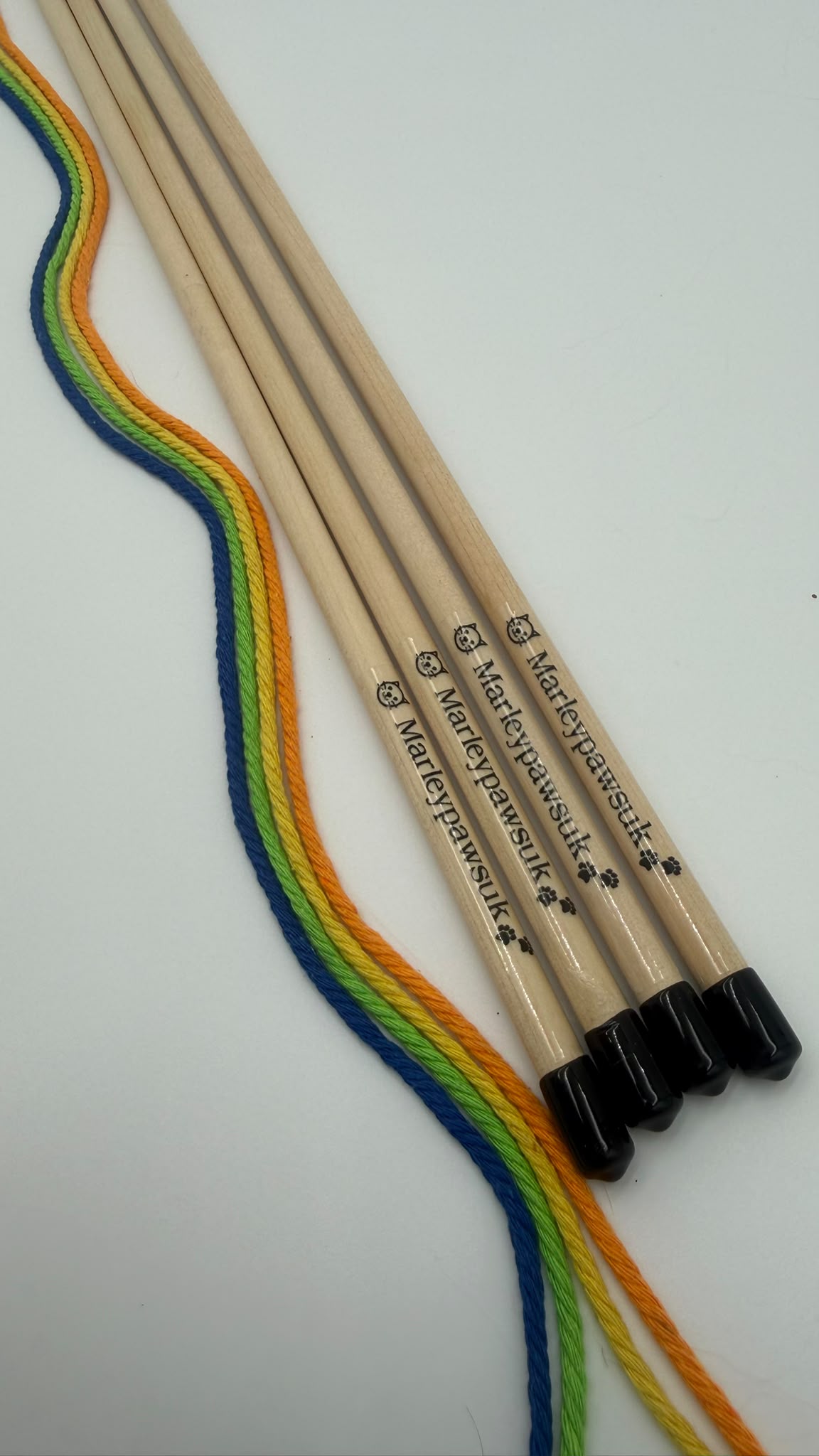
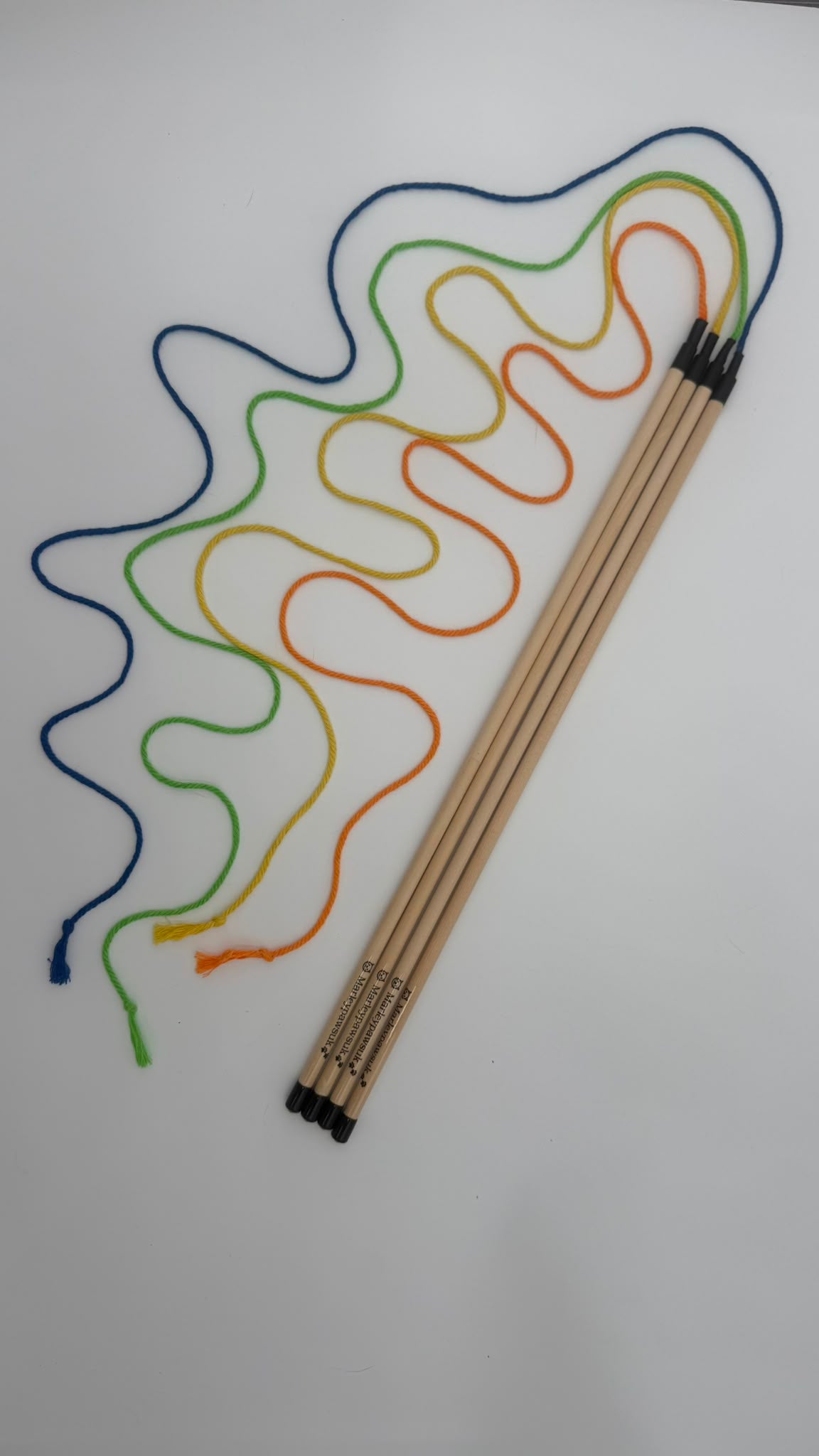
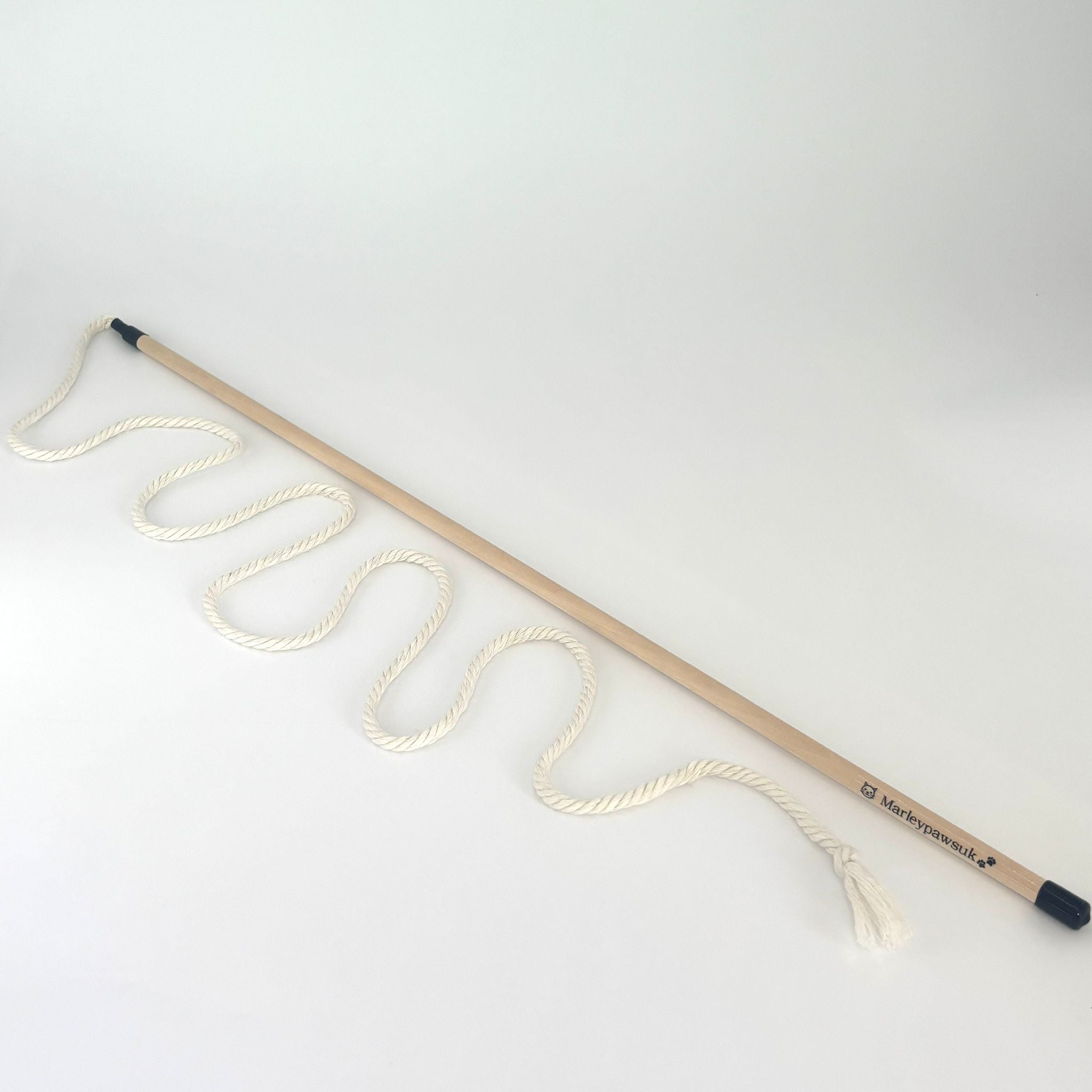
Many mass-produced toys fail to keep a cat's attention because their movements are too predictable. 'The String Thing' is specifically designed to mimic the erratic, high-speed darting of real prey, which triggers a much deeper level of focus. It's handmade in the United Kingdom using techniques we've refined through years of observation. Every design is tested by our own cats for durability and safety, ensuring it can withstand the most enthusiastic pounces. For those with younger additions to the family, the 'Kitten String Thing' offers a lighter version designed to support developmental play and build confidence in those early, high-energy months.
A Commitment to Quality and Sustainability
We know that cats often mouth their favourite toys during the final stages of a hunt. This is why responsibly sourced materials are at the heart of everything we make. By choosing natural components, we ensure that your cat's sensory experience is safe and satisfying. Our handcrafted items offer a level of durability that mass-produced alternatives simply can't match; they're built to last through countless play sessions. This artisanal approach respects both the environment and your cat's natural needs. If you're ready to transform your cat's daily routine and put an end to destructive cat behaviour when left alone, we invite you to view the full collection and discover the joy of purposeful play.
Restore Harmony to Your Home Through Purposeful Play
Managing your cat's energy doesn't have to be a struggle. By understanding that their actions are driven by instinct rather than anger, you can start to provide the right outlets for their natural urges. Establishing a consistent pre-departure routine and offering high-quality enrichment are the most effective ways to reduce destructive cat behaviour when left alone. When your cat's hunting tank is drained through vigorous play, they can spend their solo hours in a state of relaxed contentment rather than seeking out your furniture.
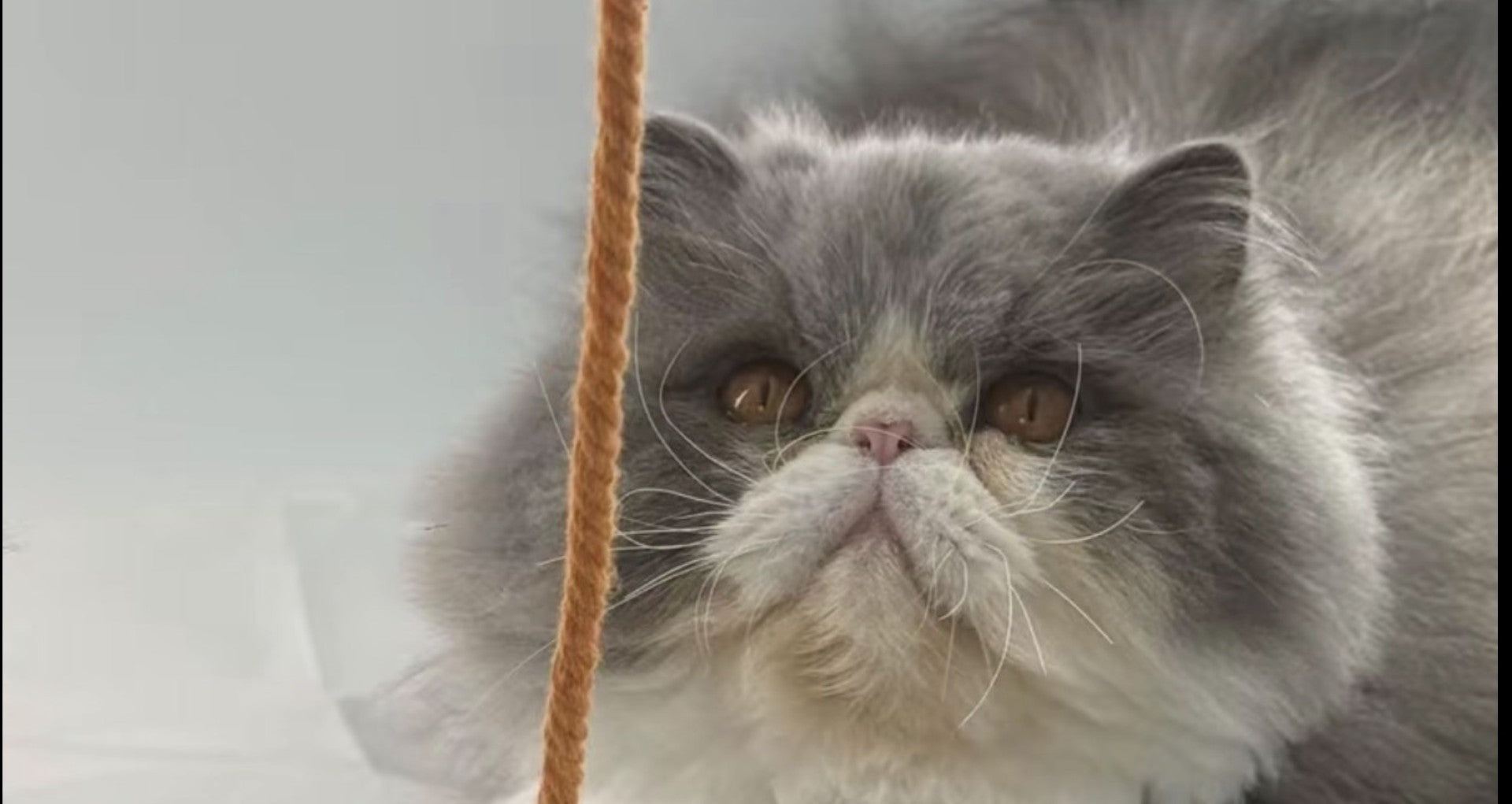
At Marley Paws, we're dedicated to helping you strengthen that special bond with your pet. Our signature tool, The String Thing, is handmade in the United Kingdom using responsibly sourced materials to ensure every pounce is safe and satisfying. Every design we create is tested by our own Persian, Marley, to make sure it truly encourages those vital hunting and chasing instincts. If you're ready to transform your cat's routine and protect your home furnishings, we're here to help you choose the perfect enrichment tools for your household.
Discover how The String Thing can transform your cat's play sessions today. Let's work together to create a happier, more settled environment for your favourite feline friend.
Frequently Asked Questions
Why is my cat suddenly destructive when I've never had a problem before?
Sudden changes in behaviour are often triggered by a shift in the household environment or an underlying physical discomfort. Even small alterations, such as a new piece of furniture or a change in your working hours, can unsettle a sensitive feline. If your cat has always been settled, this new destructive cat behaviour when left alone might be their way of communicating stress. It's always worth observing if any local outdoor changes, like a new neighbourhood cat, are causing them to feel defensive indoors.
How long can I safely leave my cat alone during the day?
Most healthy adult cats can be left alone for eight to ten hours, but this depends heavily on their individual personality and energy levels. Kittens and senior cats generally require more frequent check-ins for social interaction and monitoring. Whilst cats are often seen as solitary, they are social creatures that thrive on routine. If you have a particularly long day ahead, ensuring you've had a vigorous play session before you leave will help them settle into a nap whilst the house is quiet.
Will getting another cat stop the destructive behaviour?
Adding a second cat is not a guaranteed fix and can sometimes increase the stress levels in your home. If the primary cause of the destruction is a lack of environmental enrichment, a new companion might simply mean you have two bored cats instead of one. It's better to first focus on satisfying your current cat's hunting instincts through interactive play and high-quality toys. Once their needs are met and they feel secure, you can then consider if a feline friend is the right choice for their temperament.
Can I stop my cat from scratching the sofa without declawing?
Declawing is an unnecessary and painful procedure that is illegal in the United Kingdom under the Animal Welfare Act 2006. You can successfully protect your furniture by providing appealing alternatives that satisfy their natural urge to mark territory. Place sturdy scratching posts near the items they currently target and use positive reinforcement when they use them. Redirecting their energy into a simulated hunt with a wand toy helps drain the physical tension that often leads to furniture scratching in the first place.
What are the best types of toys to keep a cat busy whilst I'm out?
The best solo toys are those that provide tactile variety and safe sensory feedback, such as puzzle feeders or durable pounce toys. Whilst The String Thing is the perfect tool for your interactive sessions together, solo time requires items that don't have long cords which could pose a risk. Look for toys made from responsibly sourced, natural materials that are designed to be batted, kicked, and carried. These allow your cat to engage their instincts safely without needing a human to move the toy for them.
Should I leave the radio or TV on for my cat when I leave?
Many cats find gentle auditory enrichment helpful for masking startling outside noises like traffic or neighbours. Soft classical music or specifically designed feline soundscapes can create a more soothing atmosphere in a quiet UK home. However, every cat is different; some may find the constant noise over-stimulating. Try leaving a radio on a low volume for short periods first to see if it helps your pet remain calm and settled whilst you are away.
How do I know if my cat has separation anxiety or is just bored?
Separation anxiety usually involves more intense physiological signs, such as excessive vocalisation, house soiling, or a complete refusal to eat whilst you're away. Boredom-related destructive cat behaviour when left alone is typically more opportunistic, such as shredding paper or clearing shelves because they're looking for something to do. If your cat seems perfectly happy the moment you return and settles quickly after a play session, they are likely just under-stimulated and in need of more engaging daily enrichment.
Is it okay to use a 'timeout' for a cat that is being destructive?
Timeouts and other forms of punishment are ineffective because cats don't associate the penalty with an action they performed earlier. If you find a mess when you get home, putting your cat in another room will only cause them confusion and fear. Instead of punishing the "bad" behaviour, focus on rewarding the "good" by providing better outlets for their energy. Redirection through play is a much kinder and more successful way to encourage the calmer habits you want to see in your home.