

The Ultimate Cat Enrichment Schedule: A Daily Routine for a Happy Feline
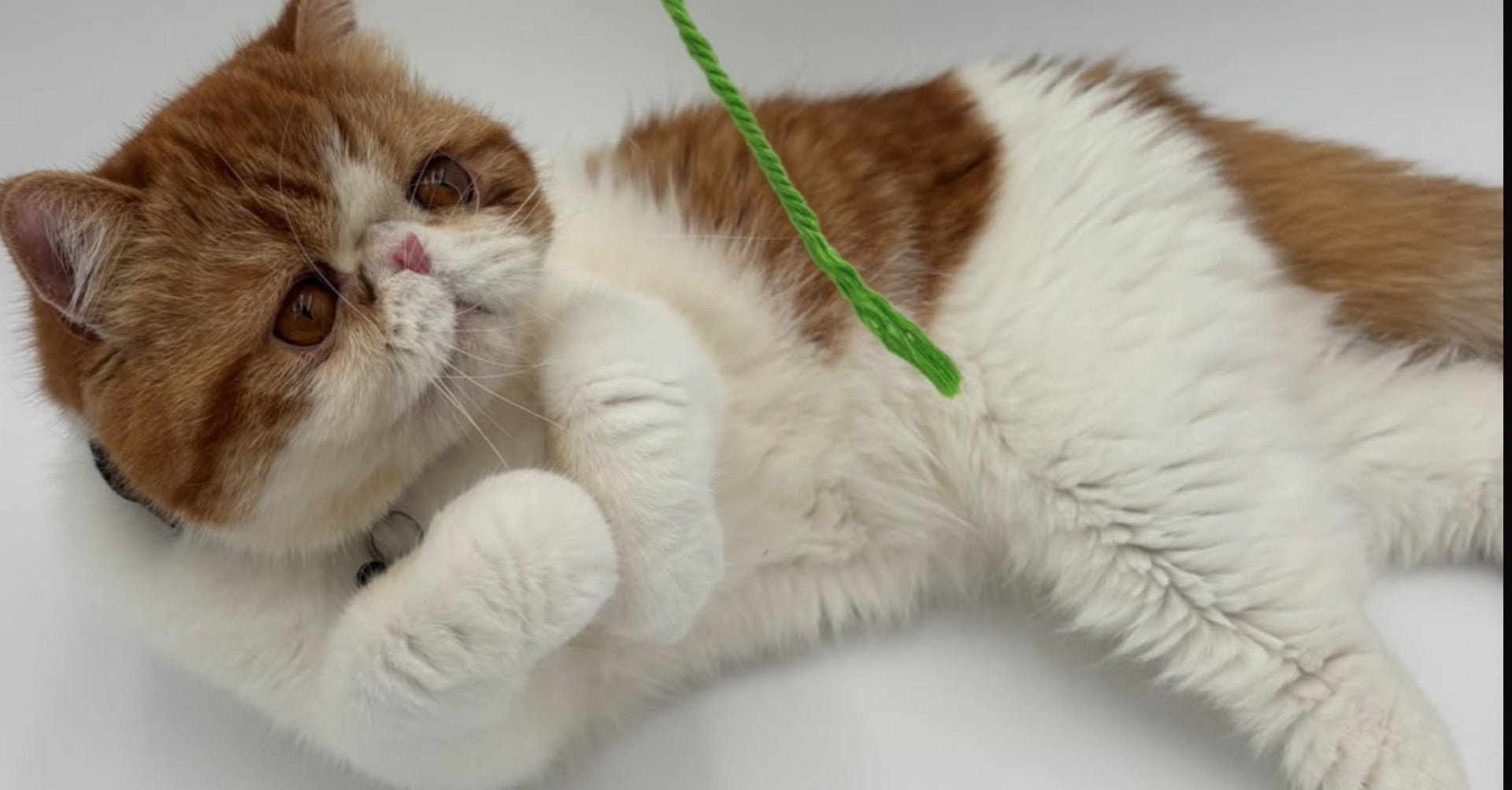
You close the front door for work, and the guilt immediately sets in as you imagine your cat staring at the hallway, waiting for a spark of excitement that won't come until dinner. It's a feeling many of us share, especially when we return home to find the sofa corners shredded or have our sleep interrupted by midnight meows. We want our felines to be truly happy, yet knowing how much play is enough often feels like a frustrating guessing game.
The good news is that a happy cat doesn't require your attention every second of the day. By implementing a structured cat enrichment schedule, you can transform your home into a stimulating territory that satisfies their deep-seated hunting instincts whilst you are busy or resting. This approach moves beyond random toy tossing and focuses on purposeful, high-quality engagement that mirrors their natural "hunt, eat, groom, sleep" rhythm.
In this guide, we will explore how to create a predictable routine that reduces anxiety and channels energy into positive behaviours. From high-energy morning pouncing sessions with The String Thing to the quiet satisfaction of an evening groom, you'll learn how to use purposeful play and clever timing to build a calmer, more engaged pet and a much stronger bond.
Key Takeaways
- Understand the natural "Hunt-Eat-Groom-Sleep" rhythm and how it dictates your cat's energy levels throughout the day.
- Discover how to structure a balanced cat enrichment schedule that covers the five essential pillars of feline well-being.
- Learn practical ways to adapt a daily routine for different life stages, ensuring kittens and senior cats stay mentally sharp.
- Explore how to create a stimulating home environment using vertical space and simple DIY ideas to encourage natural play.
- Find out why handcrafted toys like The String Thing provide the most rewarding interactive experiences for your pet.
Why Your Feline Needs a Daily Cat Enrichment Schedule
Enrichment is often misunderstood as simply buying more toys to clutter the living room floor. In reality, it's the practice of creating an environment that allows your cat to express their wild, instinctive behaviours safely indoors. For a domestic cat, the four walls of a house can quickly become a predictable, stagnant space. Without a variety of challenges, their sharp minds can turn toward frustration or lethargy. A consistent cat enrichment schedule isn't just about entertainment; it's a vital tool for mental health that provides the structure they crave.
A predictable routine acts as a powerful stress reliever. Cats are masters of observation, and they find immense comfort in knowing exactly when their needs will be met. When you provide a reliable rhythm for play and rest, you'll often notice a significant drop in anxiety-driven habits. Mental stimulation is just as exhausting as a high-speed chase. Solving a puzzle or navigating a new scent trail burns through pent-up energy, leading to a much calmer, more satisfied pet at the end of the day.
The Biology of the Hunt-Eat-Groom-Sleep Cycle
To understand why your cat behaves the way they do, you have to look at their wild ancestors. Felines are built for short, intense bursts of activity rather than long-distance endurance. This biological blueprint is known as the "Hunt-Eat-Groom-Sleep" cycle. In the wild, a cat spends its energy stalking and catching prey. Once the "hunt" is over, they eat their catch, clean themselves to remove the scent of food, and then settle down for a long recovery nap. The science behind Cat play and toys shows that play is actually a practice for this survival sequence.
You can replicate this at home by using interactive toys like The String Thing to simulate the erratic movement of prey. If you feed your cat immediately after an intense play session, you're providing the natural biological "reward" for their hard work. This completes the cycle, allowing their body to transition into the groom and sleep phase with a deep sense of accomplishment. Without this sequence, a cat may remain in a state of high alert, unable to truly relax.
Signs Your Cat is Craving More Enrichment
Boredom in cats rarely looks like a simple pout. Instead, it often manifests as "the zoomies," those sudden, frantic sprints across the house in the middle of the night. Whilst often funny, these are frequently a sign of pent-up energy that hasn't found a proper outlet during the day. If your cat doesn't have a structured cat enrichment schedule, they will find their own ways to stay busy, which usually involves your furniture or curtains. Destructive scratching is rarely about malice; it's often a desperate attempt to find sensory stimulation or mark territory in a dull environment.
Other signs are more subtle but equally telling. Excessive grooming, where a cat licks themselves until patches of fur are thin, can be a self-soothing mechanism for a bored or stressed feline. Similarly, a cat that constantly begs for food despite being well-fed might actually be looking for a hit of dopamine that they aren't getting from play. By spotting these behaviours early, you can adjust their daily routine to ensure their hunting instincts are being satisfied through purposeful activity rather than mischief.
The Five Pillars of a Balanced Enrichment Plan
A successful cat enrichment schedule isn't about doing everything at once. It's about balance. To keep your feline friend truly thriving, you should look at the five core pillars of well-being: Food, Sensory, Cognitive, Social, and Physical. Building a robust cat enrichment schedule is the best way to ensure no pillar is left behind. In a domestic setting, we often focus solely on the physical, but a well-rounded plan touches on at least three of these areas every day. This variety is crucial to prevent habituation, where a cat becomes so used to their surroundings that they stop engaging with them altogether.
When selecting items for your home, consider the materials used in their construction. Responsibly sourced, natural textures provide a much richer sensory experience than cold, mass-produced plastic. These artisanal touches make every swat and sniff feel more authentic to their wild instincts, grounding them in a more natural world even whilst indoors. By rotating different types of stimulation, you ensure your cat remains curious and active throughout their life.
Food and Cognitive Enrichment
Mealtime doesn't have to be a thirty-second event. By using puzzle feeders or "slow feeders," you transform a routine task into a rewarding problem-solving challenge. This type of cognitive enrichment forces your cat to think and move, much like they would in the wild. You can even try "hide and seek" with their favourite treats, scattering them amongst different levels of the house to encourage natural foraging behaviours. For felines that need an extra mental boost, clicker training is an excellent way to provide a cognitive workout whilst deepening your mutual trust and communication.
Sensory and Social Stimulation
A cat's world is largely defined by what they can smell and see. Introducing cat-safe scents like silvervine or dried valerian root can trigger intense sensory interest, making an old room feel brand new to their sensitive noses. For visual stimulation, creating "Cat TV" by placing a bird feeder outside a kitchen window provides hours of safe, non-frustrating entertainment. Social enrichment is equally vital, but it doesn't always require high energy. Simply allowing your cat to sit nearby whilst you work provides the passive social connection they need to feel secure in their territory. For more ideas on diversifying your home environment, the Oregon Humane Society offers a great guide on Enrichment for your Cat.
If you're looking to start your new routine with high-quality, durable tools that respect your pet's instincts, you can get in touch with us to discuss which of our handcrafted toys might suit your cat's unique personality.
Designing Your Cat's Daily Routine: A Morning-to-Night Schedule
Most advice on feline happiness focuses on what to do, but rarely tells you when to do it. Cats are crepuscular creatures, meaning their energy levels naturally peak at dawn and dusk. By aligning your cat enrichment schedule with these biological high points, you work with their nature rather than against it. A structured timeline helps reduce the "midnight crazies" and ensures your pet feels satisfied by the time you settle down for the evening. Whilst every household is different, a consistent rhythm provides the security every feline craves.
The Morning Routine: Setting the Tone
Your cat is likely ready for action the moment you wake up. Start the day with five to ten minutes of active play to simulate the "morning hunt." This burns off the energy built up overnight and prevents them from pestering you whilst you get ready for work. Instead of just dropping biscuits into a bowl, serve breakfast in a way that requires effort. Use a puzzle feeder or hide small portions of food in different areas to encourage natural foraging. Before you head out, open the curtains to provide sensory window time. This "Cat TV" keeps them engaged with the outside world during your absence.
Midday and Afternoon: Independent Engagement
When the house is quiet, your cat will spend much of the time resting, but they still need outlets for their curiosity. Independent play is key here. Rotate their solo toys every few days to keep the environment fresh; a toy that has been hidden in a drawer for a week feels like brand new prey when it reappears. You can set up a "treasure hunt" by scattering a few pieces of dry kibble amongst their favourite vertical spaces, such as cat trees or sturdy shelves. These elevated spots are perfect for afternoon observation, allowing them to survey their territory in peace.
The Evening Peak: High-Intensity Interactive Play
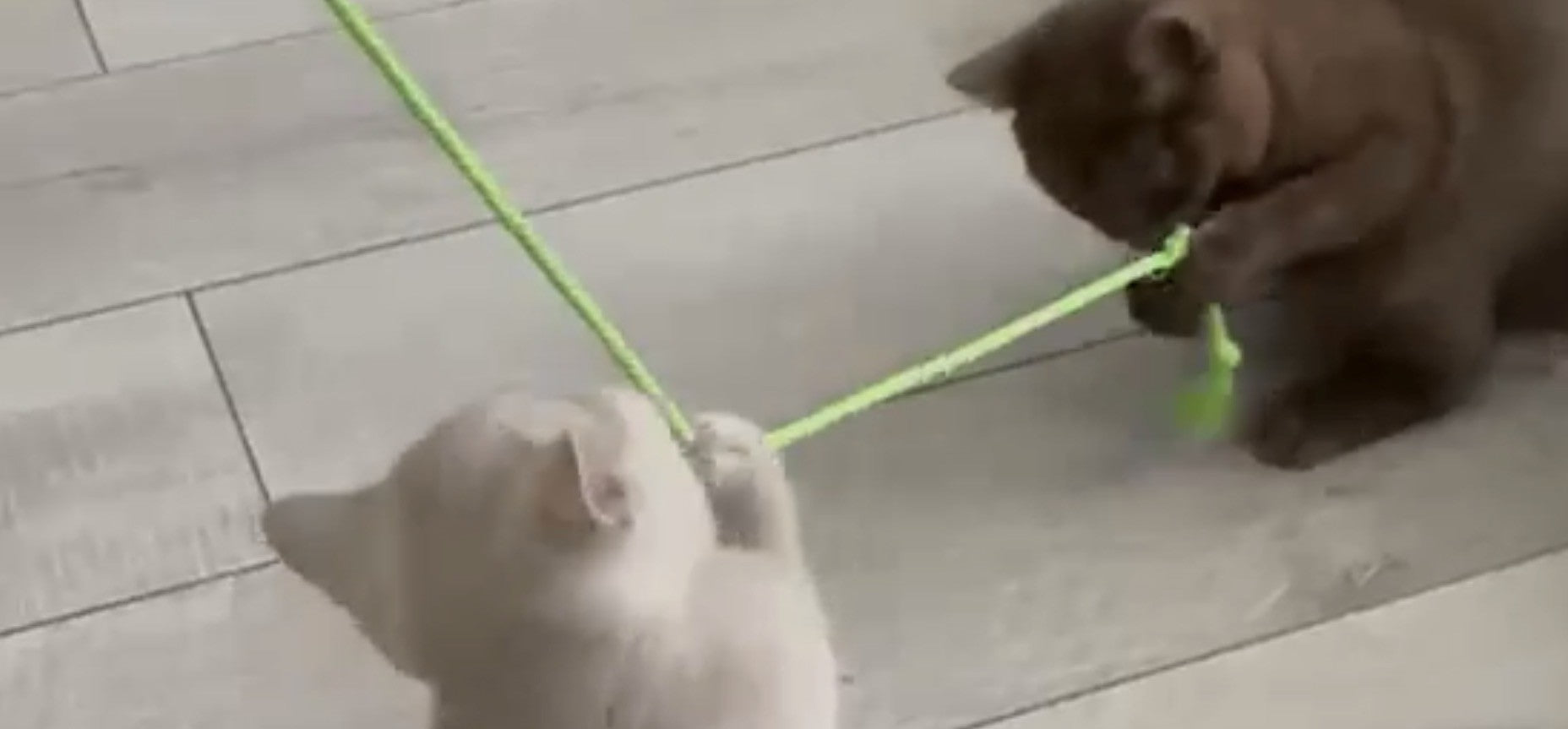
The most important part of the day is the evening "big hunt." This is the time for fifteen minutes of high-intensity interactive play using The String Thing. Focus on mimicking the erratic movements of a bird or a mouse, letting your cat stalk, pounce, and finally "catch" the toy. This session should be the most vigorous activity of the day to fully trigger their predatory drive. Follow this immediately with a substantial evening meal. This sequence leads naturally into the "groom and sleep" phase, helping them wind down alongside the rest of the household.
Remember that a cat enrichment schedule should be flexible. Kittens have endless batteries and may need four or five short play bursts throughout the day to stay out of trouble. Senior cats, on the other hand, still have that hunting heart but might prefer "ground prey" movements that are easier on their joints. Adjust the intensity to suit their life stage, but keep the timing consistent to maintain that vital sense of routine.
Simple DIY Enrichment Ideas and Home Setup Tips
Enhancing your cat's environment doesn't require a complete home renovation or a massive budget. Often, the most effective additions to a cat enrichment schedule come from items you already have lying around the house. By looking at your living space through a feline lens, you can identify opportunities to spark curiosity and encourage natural movement. The goal is to create a dynamic territory that changes just enough to keep your pet's mind sharp whilst providing the security they need to relax.
When you start crafting your own additions, safety must be your first priority. Always avoid using toxic glues, staples, or small parts that could be swallowed during vigorous play. If you're building something new, take a moment to inspect it for sharp edges or loose threads. Whilst DIY projects are fantastic for variety, they work best when paired with durable, professionally made tools that can withstand the true force of a predatory pounce.
Creating Vertical Space in British Homes
In many UK homes, floor space is at a premium. However, cats live in a three-dimensional world and often feel much safer when they can observe their territory from a height. You can easily create vertical territory by clearing the top of a sturdy bookshelf or a wardrobe to provide a dedicated lookout point. If you have several pieces of furniture at different heights, try arranging them to create a "pathway" across the room. This allows your cat to navigate the space without ever touching the floor, satisfying their instinct to remain hidden and high up whilst surveying their kingdom.
The Cardboard Castle and Foraging Boxes
Never underestimate the power of a simple delivery box. A "cardboard castle" with holes cut into the sides provides an instant hidey-hole for stalking or resting. You can take this further by creating a "busy box" filled with upright toilet roll tubes. Drop a few treats amongst the tubes to encourage foraging. Foraging is the act of searching for food resources. This simple setup forces your cat to use their paws and brain to retrieve their reward, turning a snack into a rewarding cognitive challenge.
Another sensory win is the "nature box." Fill a shallow tray with clean, dried leaves or crinkly brown paper to introduce new textures and scents into the home. These small changes keep the environment from becoming stagnant and provide a low-cost way to test what your cat enjoys most. If you're unsure how to integrate these ideas into a cohesive plan, contact us for expert advice on building a balanced routine with our handcrafted UK toys.
Elevating Play with Handcrafted Quality
The foundation of a successful cat enrichment schedule isn't just about the time you spend; it's about the quality of the tools you use. Whilst mass-produced plastic toys are readily available, they often lack the durability and tactile appeal of artisan-made items. Handcrafted toys provide a richer, more authentic experience that respects your cat's physical strength and sensory needs. By choosing responsibly sourced materials, you aren't just buying a toy; you're investing in a tool that will withstand months of dedicated pouncing and stalking.
UK-made craftsmanship brings a level of care that mass production simply cannot match. Every stitch and knot is designed with feline safety and engagement in mind. When a toy feels "real" to a cat, they are more likely to fully commit to the hunt, leading to a more satisfying energy release. This commitment is what transforms a simple play session into a vital part of their daily routine, ensuring they remain mentally sharp and physically agile.
Why 'The String Thing' Satisfies Hunting Instincts
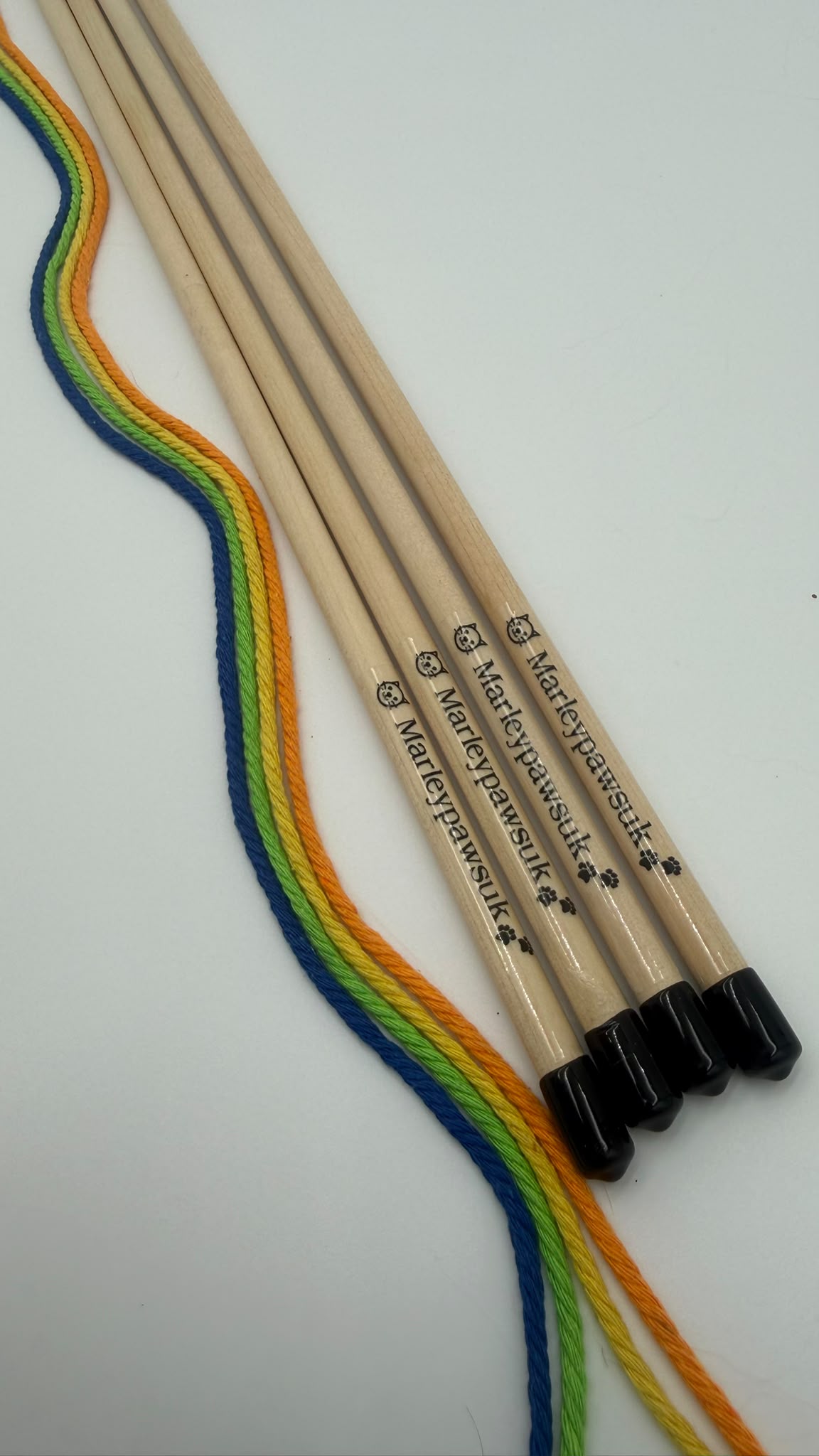
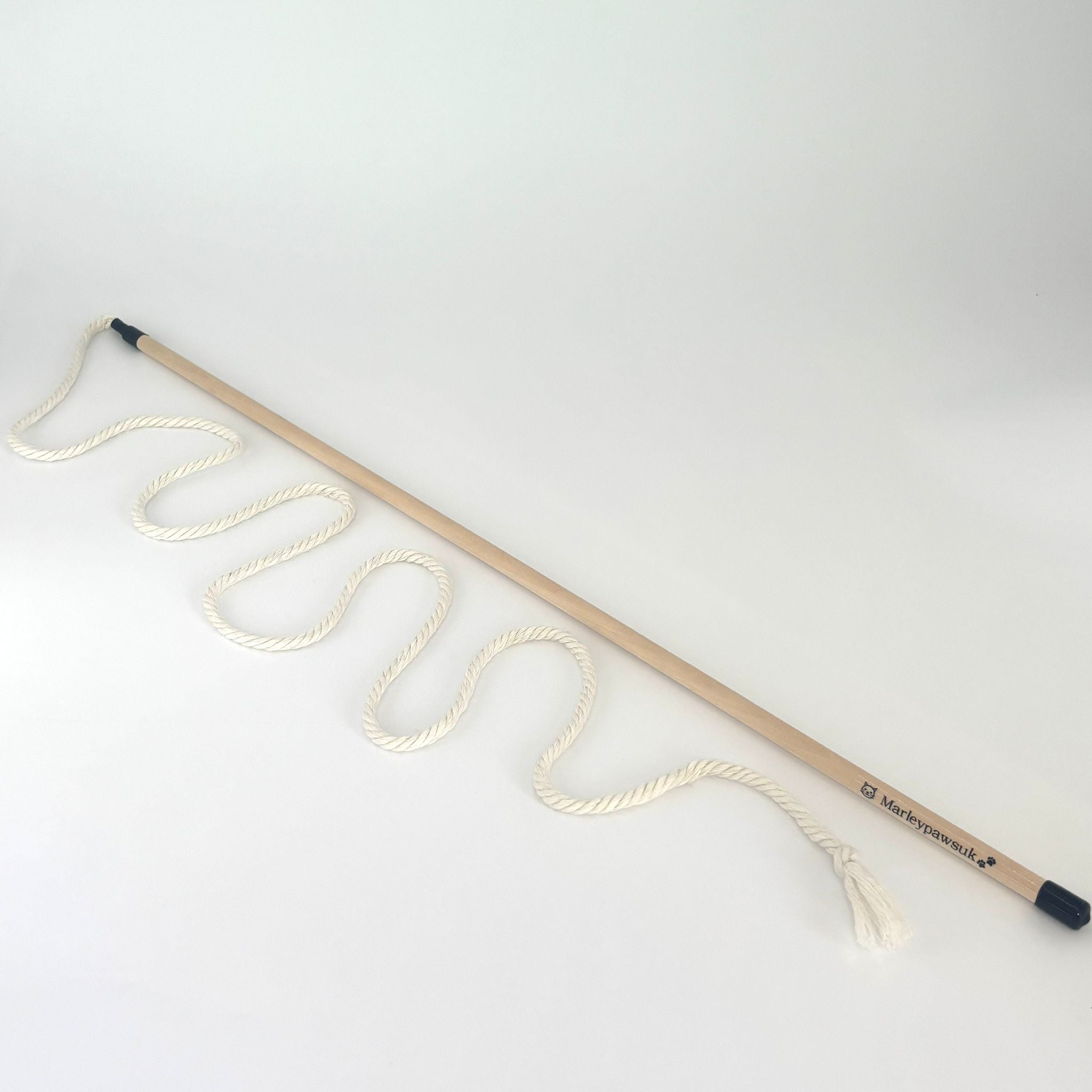
The most critical part of your daily routine is the interactive session that triggers the predatory drive. The String Thing was designed specifically to fill this role. Its unique movement mimics the erratic, unpredictable flight of a bird or the darting path of a mouse, keeping your cat's focus locked. Because of its design, it allows for safe, long-distance play that protects your hands from accidental scratches whilst your cat is in full "hunt mode."
Each one is carefully handcrafted in the United Kingdom and has been rigorously tested by our own cats. This ensures that the materials and the weight of the toy are perfect for stimulating those deep-seated instincts. When you use a tool that responds so accurately to your movements, you can provide the variety needed to prevent your cat from losing interest in their cat enrichment schedule. It's about providing a challenge that feels earned and a victory that feels real.
Strengthening the Bond Through Shared Rituals
Interactive play is more than just exercise; it's a shared ritual that builds profound trust. When you act as the "prey" at the other end of a toy, you are engaging in a complex dialogue of movement and reaction. There is a deep emotional reward in watching your cat successfully "catch" their target, seeing their pupils dilate with excitement and then watching them settle into a satisfied purr. This shared success reinforces the bond between you, making your cat feel secure and understood.
These moments are the building blocks of a lifelong friendship. By committing to a structured daily plan, you're telling your pet that their natural needs are a priority. If you're ready to see the difference that purposeful, high-quality play can make, you can learn more about our story and our dedication to feline well-being. Start your enrichment journey today and watch your cat become a calmer, more confident companion.
Building a Brighter Future for Your Feline
Creating a consistent cat enrichment schedule is one of the most rewarding steps you can take as a pet owner. By aligning your daily routine with your cat's natural instincts, you transform your home from a quiet space into a stimulating territory where they can truly thrive. You've learned how the "Hunt-Eat-Groom-Sleep" cycle governs their energy and why high-quality, handcrafted tools make all the difference in satisfying those deep-seated urges. Consistency reduces anxiety, providing your pet with the security they need to be their best selves.
At Marley Paws, we believe every cat deserves the very best. As a family-run business inspired by our own Persian cat, Marley, we take immense pride in our work. Every toy we create is handmade in the UK using responsibly sourced materials to ensure it's both safe and durable for your pet. Whether you're looking to curb destructive scratching or simply want to strengthen your bond through play, we're here to help you get it right.
Contact Marley Paws today for expert advice on our handcrafted enrichment toys and start building a more engaged, peaceful life with your favourite feline. We can't wait to help you see the joy that purposeful play brings to your home.
Frequently Asked Questions
What is a cat enrichment schedule and why does it matter?
A cat enrichment schedule is a structured daily plan designed to satisfy your pet's natural hunting, foraging, and exploratory instincts. It matters because domestic environments can become stagnant, leading to boredom, stress, or destructive habits like furniture scratching. By providing a predictable routine of play and mental challenges, you ensure your feline remains confident and calm whilst preventing the common behavioural issues that arise from pent-up energy.
How much time should I spend on cat enrichment every day?
Most experts recommend at least 20 to 30 minutes of dedicated interactive play daily, ideally split into two or three short sessions. These "big hunts" should be supplemented by passive enrichment, such as window access or puzzle feeders, which don't require your direct presence. The goal is quality over quantity; 15 minutes of intense engagement with a toy like The String Thing is often more exhausting than an hour of half-hearted play.
Can I provide enrichment for my cat if I work full-time?
You can certainly provide a rich environment whilst working full-time by focusing on independent engagement during the day. Set up foraging boxes or "Cat TV" before you leave, and focus your interactive sessions on the early morning and evening when your cat is naturally most active. This timing ensures their cat enrichment schedule remains consistent with their biological rhythm, allowing them to rest peacefully whilst you are away at the office.
Are DIY cat enrichment toys safe for all breeds?
DIY toys are generally safe for all breeds, but they require careful supervision and safe materials. Avoid using toxic adhesives, small bells that could be swallowed, or thin strings that might cause injury if ingested. Every cat has a different play style; a powerful Bengal might shred a cardboard box in seconds, whereas a gentle Persian might only need a simple paper bag to explore. Always inspect homemade items for wear and tear.
My cat is older and doesn't play; do they still need enrichment?
Senior cats absolutely still need enrichment, though it should be adapted to their physical abilities. Whilst they might not pounce as vigorously as a kitten, they still benefit from sensory challenges like new scents or cognitive tasks like food puzzles. Gentle "ground prey" movements with a wand toy can keep their joints moving without causing strain. Enrichment for seniors is about maintaining mental sharpness and providing comfort through predictable social rituals.
What are the best types of toys for a cat's hunting instinct?
The best toys are those that mimic the erratic, unpredictable movements of natural prey like birds, mice, or insects. Wand toys and string-based tools are particularly effective because they allow you to control the speed and direction, triggering the "stalk, pounce, catch" sequence. Handcrafted items made from natural materials provide a more authentic tactile experience, encouraging your cat to fully engage their senses during the peak play sessions of their daily routine.
How often should I rotate my cat's toys to prevent boredom?
You should aim to rotate your cat's solo toys every three to five days to keep their environment feeling fresh. Cats can quickly become habituated to objects that are always available, causing them to lose interest. By hiding a few toys in a drawer and swapping them out regularly, you ensure that every reappearance feels like a brand new discovery. This simple trick is a vital component of a successful, long-term cat enrichment schedule.
Does an outdoor cat still need an indoor enrichment schedule?
Yes, outdoor cats still benefit from an indoor routine to ensure they feel secure and stimulated when they are inside. The indoor environment should be a safe haven that offers different types of engagement, such as social play or vertical lookout points, which they might not find safely outside. A consistent schedule helps ground them and strengthens your bond, ensuring they don't just view your home as a place to eat and sleep.