

Bonding with Your New Cat: Building Lifelong Trust

You’ve finally brought home a beautiful new companion, but instead of the purring lap cat you imagined, you’re staring at a pair of wide, nervous eyes peeping from beneath the sofa. It’s a common heart-sink moment for many owners who find themselves wondering how to bond with my new cat when they seem so hesitant to engage. It can feel a little bit lonely when your efforts to show love are met with a quick dash to the nearest hiding spot, but building a relationship with a feline friend is a journey that simply cannot be rushed.
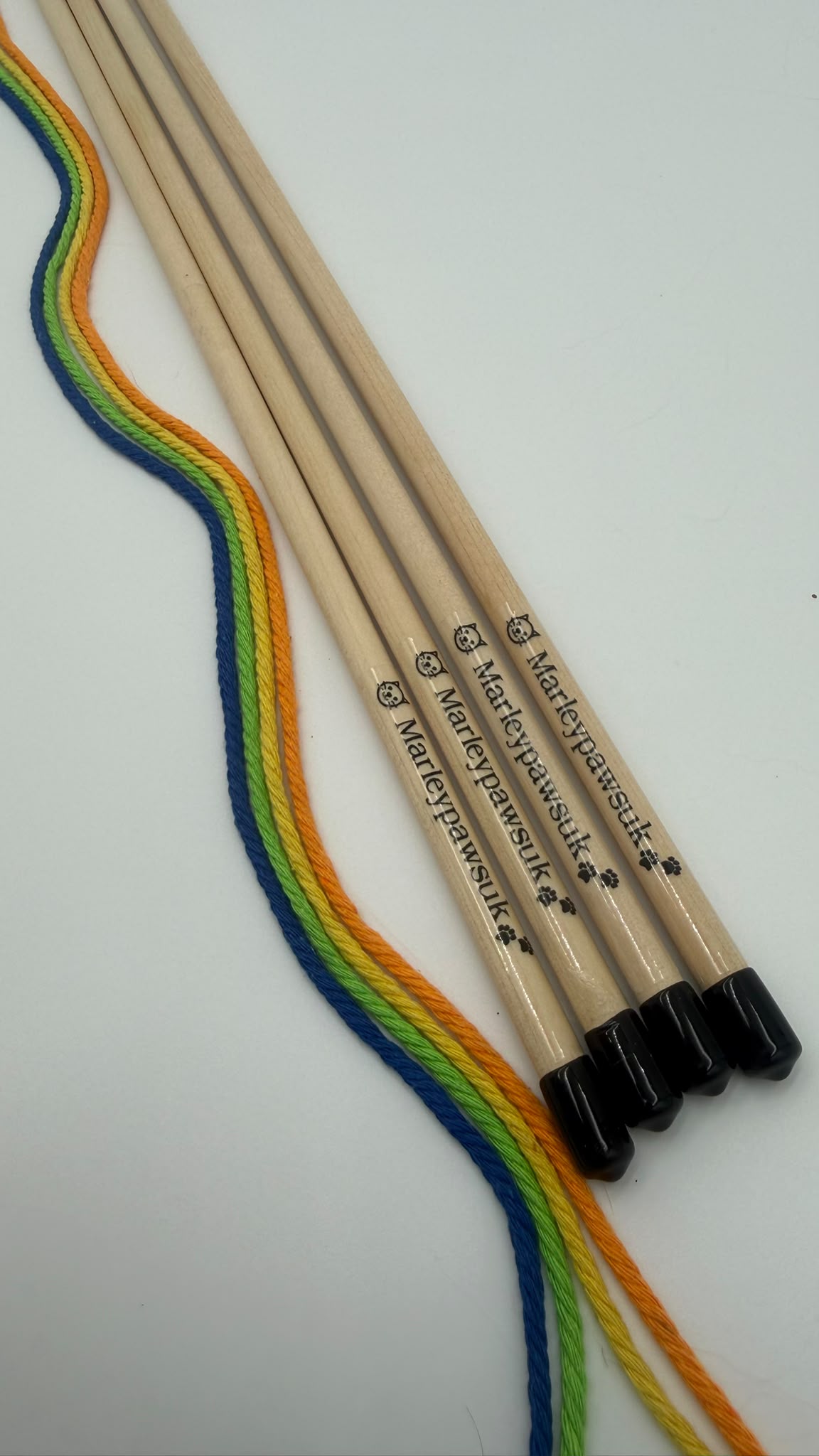
We know you’re eager for those first head-bumps and gentle purrs. The good news is that by learning to speak your cat’s subtle language, you can build a deep, lasting connection based on mutual respect whilst avoiding the pressure of forced interaction. This guide will show you how to transform a timid hider into a confident explorer who feels truly at home. We’ll look at why giving them plenty of space is the best way to win their heart and how interactive play with handmade toys like The String Thing can help stimulate their natural hunting instincts, turning shy glances into playful pounces and lifelong trust.
Key Takeaways
- Recognise why the initial settling-in phase is a marathon rather than a sprint for a nervous feline and how patience protects their confidence.
- Master the art of reading subtle body signals and learn how to bond with my new cat using the 'slow blink' technique to show you’re a friend.
- Discover how interactive play sessions with The String Thing can tap into natural hunting instincts to build a bridge of trust through shared activity.
- Explore how creating a secure sanctuary with vertical spaces and a comfortable handmade collar helps your pet feel safe and settled in their new home.
- Understand that building a deep connection is a lifelong journey of enrichment that continues to flourish as your cat matures into adulthood.
Understanding the Feline Adjustment Period
Bringing a new feline friend home is an incredibly exciting chapter, but it’s vital to remember that for your cat, everything has just changed. Their territory, smells, and sounds have been replaced by a completely alien environment. This is why patience is the most important tool in your bonding kit. You might be eager to start cuddling, but understanding the settling-in phase is the first step in learning how to bond with my new cat effectively. It’s about building a foundation of safety before moving on to the fun of play and affection.
Professional feline advocates often refer to the "3-3-3 rule" to help owners manage expectations. This guideline suggests that a cat needs three days to decompress, three weeks to learn your routine, and three months to feel fully secure. Respecting this timeline prevents you from forcing interaction, which can actually damage trust before it even has a chance to grow. Every cat is an individual, and some may take a little longer to find their paws in a new house.
The First Three Days: Safety and Security
The initial seventy-two hours are all about decompression. Your cat needs a safe base, which is usually a quiet room or a dedicated corner where they won't be disturbed by the hustle and bustle of the household. During this time, focus on scent swapping. Leave a piece of your clothing near their bed so they can familiarise themselves with your smell without the pressure of your physical presence. Whilst it’s tempting to reach under the sofa to coax them out, you should resist that urge. Letting them choose when to emerge is a powerful way to show you respect their boundaries. A sanctuary with familiar smells and perhaps one of our handmade cat collars nearby can help them begin to feel a sense of security in their new territory.
The First Three Weeks: Establishing a Routine
Once the initial shock wears off, your cat will start looking for patterns. Consistency is the foundation of trust. Stick to strict feeding times, as this positions you as a reliable provider and a source of positive experiences. During these weeks, spend time in their room just being present. Read a book or work on your laptop whilst sitting on the floor. Avoid direct eye contact, as staring is often perceived as a challenge in the feline world. Instead, use soft speech to familiarise them with the rhythm of your voice. This gentle approach creates a calm atmosphere where your new companion feels safe enough to eventually explore interactive play with items like The String Thing, which serves as a brilliant ice-breaker when they finally decide to step out of their shell.
Speaking Cat: The Language of Trust and Body Signals
Cats communicate in a language of subtle shifts, whisker positions, and tail flicks. Unlike humans, who rely heavily on verbal cues, felines use their entire bodies to broadcast their feelings. When you are first discovering how to bond with my new cat, becoming a student of these signals is your greatest advantage. It allows you to respond to their needs before they feel the need to retreat or lash out. One of the most powerful tools in your repertoire is the "slow blink." By catching your cat's eye and slowly closing and then opening your lids, you are sending a clear message that you are not a threat. In the feline world, this is a "kiss" that signals peace and affection.
Before any physical contact occurs, you should always offer a "scent-handshake." This involves extending a relaxed finger or the back of your hand at the cat's nose level, staying a few inches away. Allow them to bridge the gap. If they sniff and then rub their cheek against you, they are marking you with their scent, effectively welcoming you into their social circle. It is just as important to recognise when they have had enough. Signs of overstimulation, such as a flicking tail tip, rotating ears, or skin twitching along their back, are clear requests for space. Noticing these cues early prevents stress and keeps your growing bond on a positive track.
Trust Signals to Look For
As your relationship flourishes, you will start to see more overt signs of comfort. Learning how to bond with my new cat often involves simply watching for these quiet "green lights" of affection. A cat that walks towards you with an upright tail, finished with a slight hook at the end, is essentially giving you a friendly greeting. They are happy to see you and feel confident in your presence. You might also find them "making biscuits" or kneading on your lap or a favourite blanket. This rhythmic paw movement is a comforting remnant from kittenhood that suggests they feel completely relaxed. Perhaps the highest compliment is when a cat exposes their belly. Whilst this is a sign of ultimate vulnerability and trust, be careful. For many cats, the belly remains a "no-go" zone, and reaching for it might result in a playful but sharp defensive nip.
Respecting Personal Space
Building a deep connection requires you to be a guest in their world until invited further. Every interaction should be on the cat's terms. This means avoiding the urge to pick them up or follow them if they walk away. Most cats have specific "sweet spots" for strokes, usually around the cheeks, chin, and the base of their ears where their scent glands are located. Avoid the base of the tail or the legs unless you know they enjoy it. Providing safe zones, such as a high shelf or a quiet bed where they are never disturbed, gives them the confidence to engage when they are ready. If you find yourself struggling to read your pet's unique cues, you can always reach out to us for a friendly chat about feline behaviour and enrichment.
Strengthening Your Bond Through Instinctive Play
Play is far more than just a way to burn off energy. For a cat, it’s a vital expression of their ancestral heritage. In the wild, felines spend a significant portion of their waking hours engaged in the hunting cycle: stalking, pouncing, and finally capturing their prey. When you invite your pet into this cycle, you aren't just a bystander; you become a partner in their success. This shared experience is one of the most effective ways to understand how to bond with my new cat, as it transforms you from a potential threat into a source of excitement and triumph.
Interactive play is significantly more effective for building trust than leaving a basket of solo toys on the floor. Whilst a jingle ball provides a momentary distraction, it doesn't offer the social connection that a wand toy provides. Using The String Thing allows for non-threatening engagement, especially with shy cats who might still be wary of close physical contact. The length of the string provides a comfortable distance, letting the cat focus on the 'prey' whilst becoming accustomed to your movements and presence in a positive context.
The Art of the Interactive Hunt
To truly engage your cat, you must think like a bird or a mouse. Prey doesn't fly directly into a predator's face; it skitters away, hides behind chair legs, and pauses in frozen silence. Mirroring these movements with your toy will help stimulate hunting instincts and keep your cat mentally sharp. Crucially, always allow your cat to 'catch' the toy at the end of a session. Shared success in the hunt builds immense confidence. Without that final capture, a cat can become frustrated, which counteracts the bonding process. Try to schedule these play-rituals at the same time each day to create a predictable, comforting routine that your cat can look forward to.
Choosing the Right Tools for Engagement
The tools you choose for these sessions matter just as much as the technique. Handcrafted quality ensures that toys are durable enough to withstand vigorous pounces whilst remaining safe for your pet. At Marley Paws, our toys are made in the United Kingdom using responsibly sourced materials that are gentle on sensitive feline noses. Choosing high-quality items from The String Thing collection ensures your cat can play safely, whether they are a high-energy kitten or a more calculated adult hunter. This commitment to craftsmanship reflects the respect we have for the bond between you and your companion, providing a sturdy bridge for your growing friendship.
Creating a Secure Sanctuary: Environment and Rituals
A home is more than just four walls; for a feline, it's a complex map of safety and territory. Whilst we often focus on active interaction, the physical environment plays a silent but starring role in your journey of discovery regarding how to bond with my new cat. Providing vertical space, such as cat trees or cleared bookshelves, allows your pet to observe the household from a position of power. When a cat feels they can retreat to a high vantage point or a cosy hiding spot, they actually become more confident in exploring the open spaces of your home.
Positive reinforcement is the glue that holds these environmental elements together. By rewarding brave behaviours with small treats or soft praise, you create "micro-moments" of connection that reinforce your status as a bringer of good things. These brief interactions, occurring naturally throughout the day, are just as impactful as long play sessions. They build a quiet, steady trust that eventually leads to a cat seeking out your company on their own terms. It is about making every encounter a positive one, ensuring your home feels like a true sanctuary.
Comfort and Style: The Role of Accessories
A sense of identity is often overlooked in feline bonding. A soft, handmade cat collar can provide a gentle sense of security without the irritation caused by stiff, mass-produced alternatives. Because our collars are crafted with premium materials in the United Kingdom, they offer a comfortable fit that respects your cat's sensitive neck area. Ensuring a perfect fit is essential; a collar that is too loose can be a safety hazard, whilst one that is too tight causes unnecessary stress. A well-fitted accessory becomes a part of their daily life, helping them feel settled and secure in their new surroundings.
Daily Rituals for a Happier Cat
Predictability is a massive comfort to a new pet. Establishing simple daily rituals helps your cat understand what to expect from you. This might include a specific "Good Morning" greeting or a gentle grooming session before bed. Grooming is a form of social bonding that mimics the way cats in a colony care for one another, provided your pet enjoys the sensation. You can also use various cat toys and accessories to keep their environment fresh and stimulating, rotating items to prevent boredom. If you are unsure about the best way to set up your cat's sanctuary, feel free to get in touch with us for tailored advice on creating a harmonious home.
Growing Together: Long-term Enrichment and Connection
Many owners assume that once those first few weeks are over, the work is done. In reality, the connection you share with your feline companion is a living thing that needs regular care and attention. Understanding how to bond with my new cat is just the beginning of a lifelong conversation. As your pet moves through different life stages, their needs and the way they express affection will naturally shift. Staying attuned to these changes ensures that the spark of your initial meeting develops into a deep, unshakable friendship that lasts for years.
The Marley Paws philosophy is rooted in the belief that quality always beats mass production. We don't believe in disposable toys that end up in the bin after a single afternoon of play. Instead, we focus on handcrafted items that encourage natural play and stand the test of time. By choosing responsibly sourced materials and artisanal techniques, we provide tools that respect your cat's instincts whilst enhancing your home environment. This conscientious approach to production ensures our toys are as safe as they are beautiful. We invite you to join our growing community of British cat lovers who value craftsmanship and the emotional well-being of their pets.
Adapting Play as Your Cat Ages
The wild, chaotic energy of a kitten eventually matures into the more calculated stalking of an adult cat. Whilst a youngster might pounce at anything that moves, an older feline often requires more strategy to get them off the sofa. You can find detailed tips on these techniques in The String Thing Cat Toy: The Ultimate Guide to Interactive Play in 2026. Even senior cats benefit from gentle engagement; keeping their minds sharp through light hunting rituals helps maintain their cognitive health and reinforces your social bond, even if they aren't leaping as high as they once did.
The Marley Paws Promise
We take immense pride in being a family-run business based right here in the United Kingdom. Every item we create is born from a passion for feline enrichment and a commitment to sustainability. Our "tested by our own cats" policy isn't just a slogan; it's how we ensure that every toy we sell is safe, durable, and genuinely engaging for your companion. We never release a product that our own feline family doesn't thoroughly approve of first. To learn more about our journey, our values, and the hands behind the toys, you can visit About Marley Paws. We are honoured to be a part of your story as you build a beautiful, lasting connection with your pet.
A Future of Feline Friendship
Building a lasting relationship with your cat is one of the most rewarding journeys you’ll ever undertake. By respecting their need for space during the initial adjustment period and learning to read their subtle body signals, you’ve already laid the groundwork for a deep connection. Remember that discovering how to bond with my new cat is an ongoing process that flourishes through shared play and predictable routines. It’s about those quiet micro-moments of trust that eventually lead to a lifetime of purrs and head-bumps.
At Marley Paws, our products are handmade in the UK with responsibly sourced materials, specifically designed to encourage natural play and stimulate hunting instincts. Whether it’s the gentle comfort of a new collar or the thrill of a chase with The String Thing, we’re here to support every step of your journey. Each piece is crafted with care to ensure your cat feels safe and engaged in their new home. Explore our handcrafted collection to start bonding with your cat today. We’re excited to help you and your new companion grow closer every day.
Frequently Asked Questions
How long does it typically take to bond with a new cat?
It typically takes between three months and a year to form a truly deep, unshakable bond with a new feline companion. Whilst the initial "3-3-3 rule" provides a helpful timeline for decompression, every individual cat has a unique history and personality. Some might start head-bumping you within days, whilst others require several months of consistent, gentle presence before they feel secure enough to seek out your lap for a snooze.
My new cat is hiding under the bed; should I pull them out?
You should never pull a hiding cat out from under the bed or any other sanctuary. Doing so forces a state of vulnerability that can severely damage your relationship before it has even begun. Instead, let them choose when to emerge. You can encourage them by sitting nearby and speaking softly, but the final decision must be theirs. This respect for their boundaries is a vital step in learning how to bond with my new cat.
What are the best toys to help a shy cat come out of its shell?
Interactive wand toys are the most effective tools for coaxing a shy cat into the open. Toys like The String Thing are particularly helpful because they allow for a comfortable distance between you and the cat. This encourages natural play and helps stimulate hunting instincts without the cat feeling cornered. By focusing on the movement of the toy rather than your physical presence, a nervous cat can build confidence through successful "hunts."
Is it possible to bond with an older rescue cat as well as a kitten?
It is entirely possible to bond with an older rescue cat, and the connection is often incredibly profound. Whilst kittens are naturally curious, older cats may have had difficult past experiences that make them more cautious. However, once an adult cat decides to trust you, their loyalty is immense. The process just requires a bit more time and a steady routine to help them feel that their new environment is permanently safe.
How can I tell if my cat actually likes me or just wants food?
You can tell your cat genuinely likes you by observing their behaviour outside of feeding times. If they seek you out for head-bumps, follow you from room to room, or choose to sleep near you, they are showing true affection. A cat that only wants food will usually only interact when the cupboard door opens. Seeking proximity and offering a "slow blink" are clear signs that they value your company as a friend.
What should I avoid doing when trying to build trust with my cat?
You should strictly avoid forced physical contact, loud shouting, or staring directly into their eyes. Direct eye contact is often interpreted as a challenge or a threat in the feline world. Additionally, never corner a cat or block their exit from a room. If they feel trapped, their stress levels will skyrocket, making it much harder to learn how to bond with my new cat in a positive, relaxed way.
Can interactive play really improve a cat’s behaviour?
Interactive play is a brilliant way to improve a cat's behaviour by providing a healthy outlet for their energy. When a cat can't satisfy their natural hunting instincts, they may resort to "naughty" behaviours like scratching furniture or pouncing on your ankles. Regular sessions with high-quality, handmade toys help to reduce boredom and build a confident pet who understands the house rules, leading to a much more harmonious home environment.
Why does my cat blink slowly at me from across the room?
A slow blink is a powerful signal of trust often referred to as a "feline kiss." When a cat closes their eyes in your presence, they are showing you that they don't perceive you as a threat. By closing their eyes, they are making themselves vulnerable, which is the ultimate compliment. You can strengthen your bond by slowly blinking back at them, sending a clear message of peace and affection across the room.