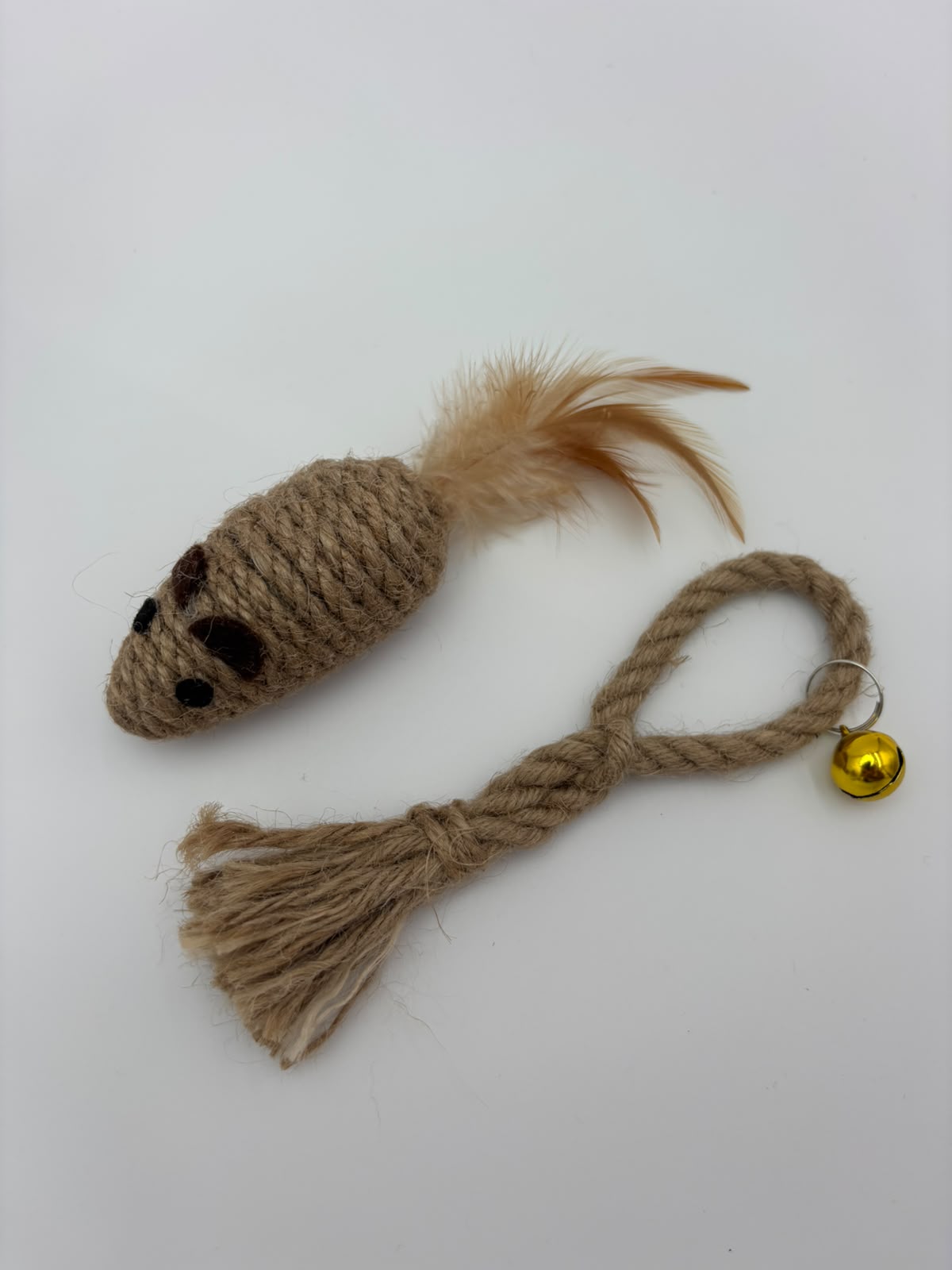


Recognising the Signs of an Understimulated Cat: A Guide to Indoor Enrichment

You return home after a long day at the office, only to find your favourite velvet armchair has been repurposed as a scratching post, or perhaps your cat is performing a frantic "zoomie" across the kitchen counters at three in the morning. It's easy to feel a pang of guilt whilst you're away, wondering if your feline friend is simply bored or genuinely unhappy. We all want our pets to feel content, yet many owners find themselves frustrated by shredded furniture or cheap plastic toys that are ignored and broken within minutes.
If you have noticed your cat becoming increasingly restless or destructive, you are certainly not alone. Recognising the common signs of an understimulated cat is the first step towards creating a more harmonious home for you both. In this guide, you will learn how to identify the subtle signals of feline boredom and discover how to satisfy those deep-rooted hunting instincts through meaningful, interactive play. We will explore how switching to high-quality, handmade tools like The String Thing can help your cat burn off excess energy. This leads to a more relaxed companion who finally sleeps through the night and shares a much stronger bond with you.
Key Takeaways
- Learn to recognise the common signs of understimulated cat behaviour to help you address boredom before it leads to destructive habits.
- Understand the biological need for the "stalk, pounce, kill" sequence and how targeted play satisfies your cat's natural hunting instincts.
- Discover why interactive play is more effective than a toy box full of plastic and how shared sessions strengthen your emotional connection.
- Learn practical ways to build a daily enrichment routine that fits a UK lifestyle, utilising vertical space to keep your cat engaged.
- Explore why choosing handcrafted, UK-made toys ensures a safer and more durable experience for even the most energetic feline friends.
Recognising the Subtle Signs of an Understimulated Cat
Cats are remarkable predators, yet their modern lives often involve more napping on sofas than chasing through undergrowth. Under-stimulation happens when a cat’s environment fails to provide enough engagement to satisfy their deep-seated predatory drives. Whilst our homes are safe and warm, they can quickly become monotonous for a creature designed for high-stakes movement. When a cat cannot express their natural feline behaviors, that energy has to go somewhere. Recognising the signs of understimulated cat companions is the first step in restoring their wellbeing. Usually, this manifests as what we call the "Big Three" indicators: physical, emotional, and behavioural changes. A truly stimulated cat is one whose daily environment actively encourages the expression of natural hunting, climbing, and exploring behaviours.
Behavioural Warnings: From "Zoomies" to Vocalisation
We have all seen the "midnight zoomies," where a cat suddenly bolts across the room for no apparent reason. Often, this isn't just a quirk; it’s a desperate release of pent-up physical energy that hasn't been used during the day. If your cat is frequently howling or using a persistent "cry for help" meow, they might be trying to tell you they are bored. Destructive scratching on your favourite armchair is another classic indicator amongst the signs of understimulated cat residents. It’s a way for them to burn off frustration whilst marking their territory in the absence of more appropriate cat toys and accessories that encourage healthy scratching habits.
Physical Indicators: Overgrooming and Weight Management
Boredom can take a physical toll that goes beyond mere restlessness. Some cats turn to overgrooming as a self-soothing mechanism, licking their fur until bald patches appear, particularly on their bellies or legs. This repetitive action releases endorphins that help them cope with a dull environment. Others might find that the food bowl is the only "highlight" of their day, leading to pestering for treats and subsequent weight gain. It’s also vital to distinguish between a healthy nap and true lethargy. A bored cat might simply give up on looking for engagement, sleeping far more than the usual sixteen hours because there is nothing else to do. Providing the right enrichment helps shift them from a state of apathy back into their natural, vibrant selves.
The Biological Root: Why Indoor Cats Need Targeted Play
Cats are evolutionarily hardwired for a specific sequence of events: the hunt. This cycle, often described as "stalk, pounce, kill, eat," is essential for their mental wellbeing. Whilst we often provide the "eat" part through a bowl of high-quality food, the preceding steps are frequently missed in a domestic setting. When a cat is denied the satisfaction of "the kill" during play, it can lead to deep-seated frustration. These are classic signs of understimulated cat residents who are simply looking for an outlet for their natural predatory energy. Without a proper "kill" at the end of a chase, that energy can quickly turn into redirected aggression towards your furniture or even your ankles.
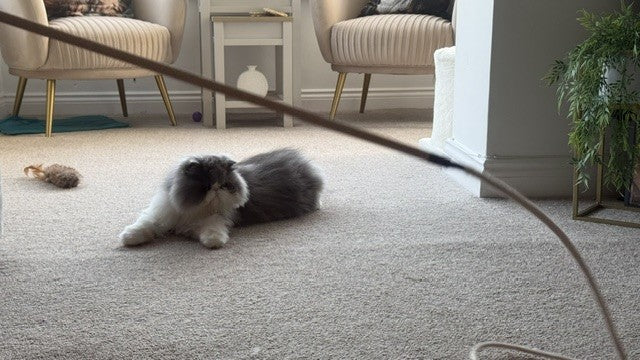
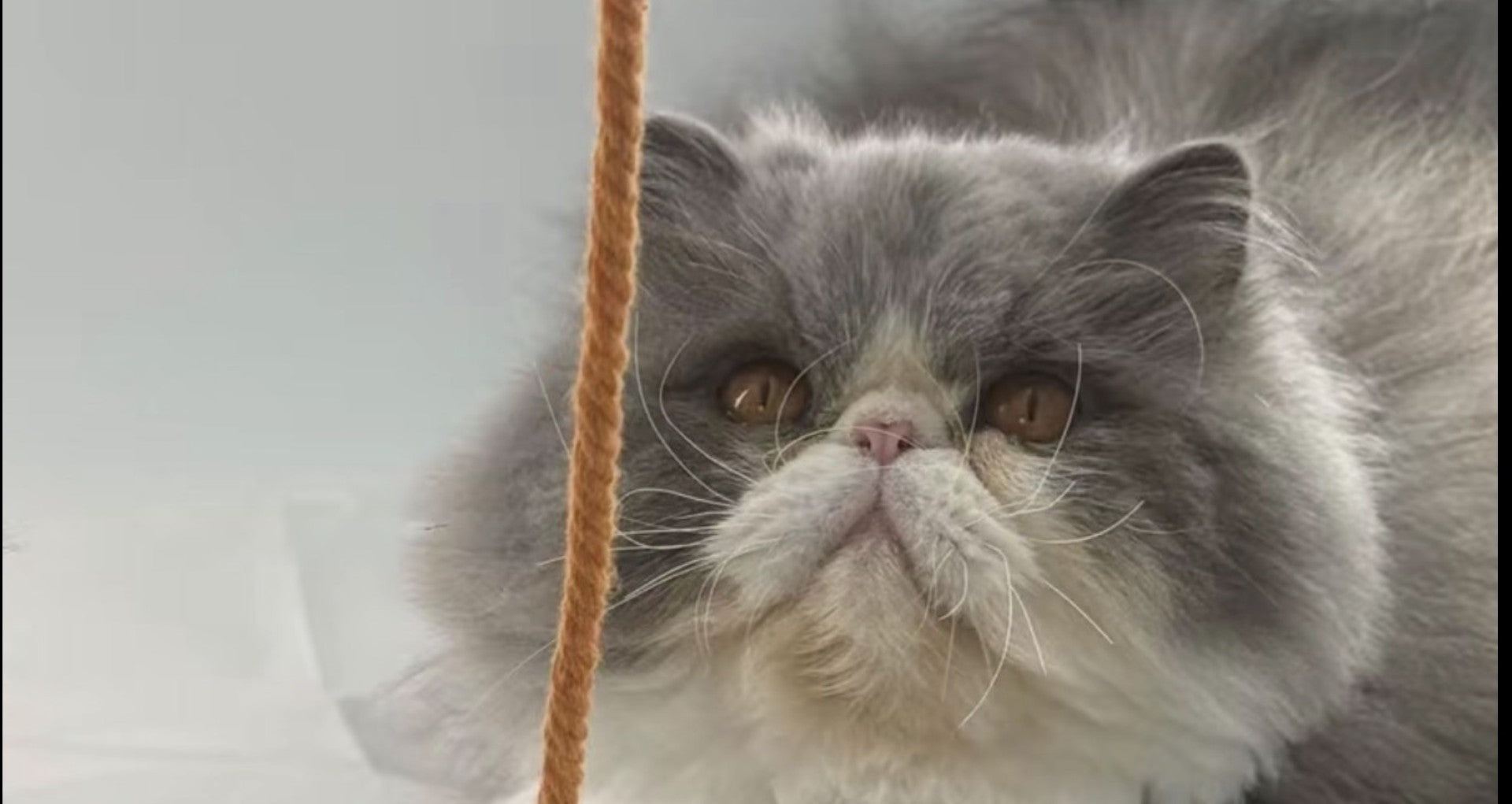
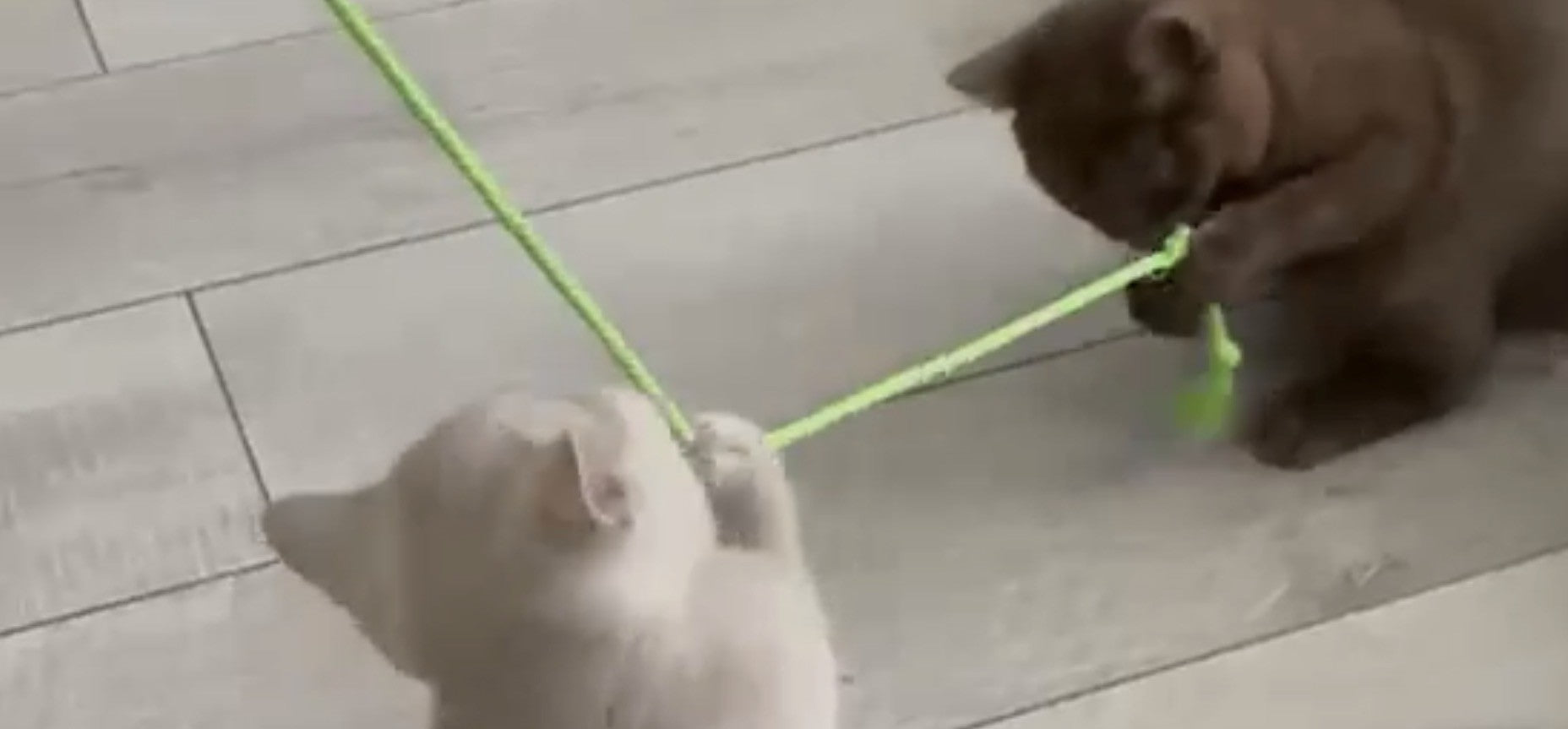
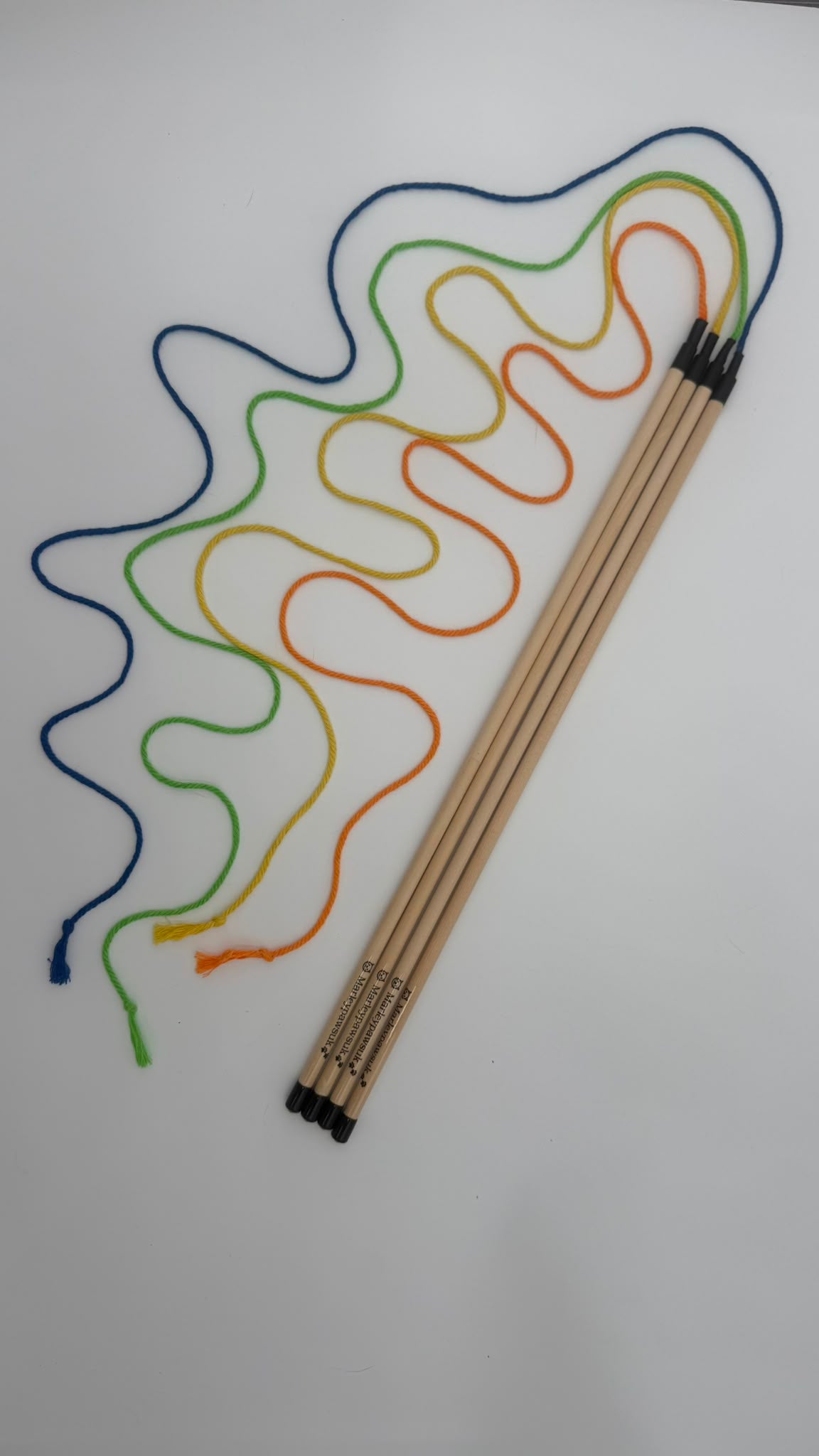
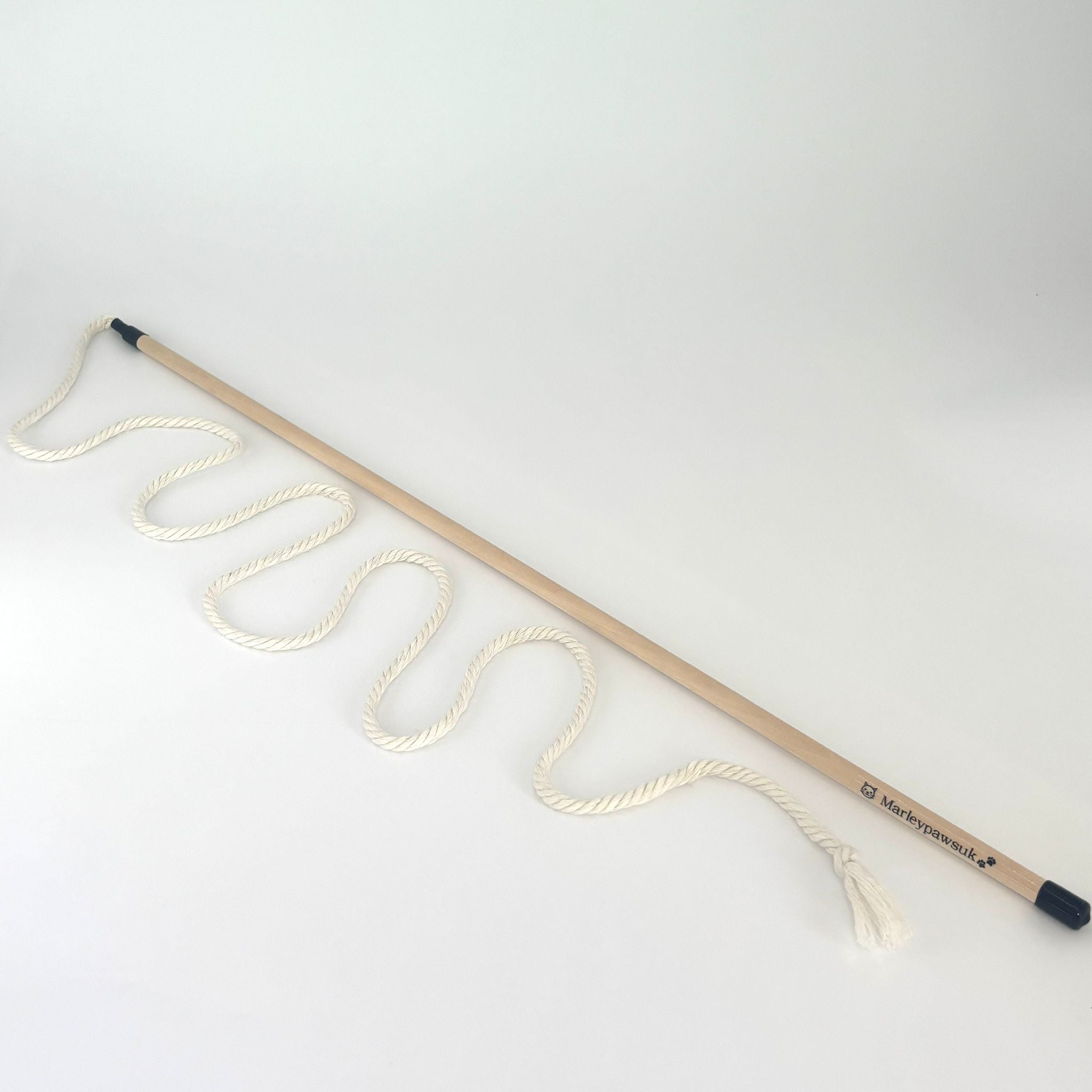
Movement is the key to unlocking their happiness. Feline eyes are expertly tuned to detect the erratic, unpredictable motions of small birds or mice. Static toys or laser pointers that can never be caught often fail to provide the necessary closure for this biological loop, which can contribute to the signs of understimulated cat boredom we see in indoor environments. This is why we created The String Thing. It is designed to mirror those specific, lifelike movements that trigger a cat's instinct to chase and capture, providing a tangible reward at the end of every session.
Understanding the Prey Drive
Effective enrichment for indoor cats relies on engaging their senses of vision and hearing to track movement. Interactive play is far more mentally taxing than solo play because the "prey" reacts to the cat's actions. It requires focus, strategy, and physical coordination. The physics of the toy matter too. A toy with the right weight and length feels "real" to a cat, making the experience more immersive and rewarding than a lightweight plastic mouse that lacks substance. This mental workout is what truly tires a cat out, leading to a much more relaxed animal in the evening.
Play as a Shared Language
Beyond the physical benefits, interactive play serves as a shared language between you and your pet. These sessions build a deep, trusting bond that solo toys simply cannot replicate. For more nervous cats, a successful "hunt" in a safe environment can significantly reduce anxiety and boost their confidence. At Marley Paws, our family-run passion for feline welfare drives us to create tools that facilitate these moments of connection. We believe that play is the ultimate way to show your cat they are understood. If you have questions about which toy might suit your cat's specific play style, please feel free to get in touch with us.
Interactive vs Solo Play: Choosing the Right Strategy
Walk into almost any pet shop and you will find aisles overflowing with plastic balls, static mice, and automatic gadgets. Whilst these items look appealing on the shelf, they often end up gathering dust under the sofa. A common reason owners search for the signs of understimulated cat behaviour is that their pet has "plenty of toys" but never seems to play with them. The truth is that cats are intelligent, tactical hunters. A toy that doesn't move on its own, or one that moves in a predictable, mechanical loop, quickly loses its appeal. To keep a feline mind sharp, you need a balanced strategy that combines solo enrichment with high-intensity, interactive sessions.
One of the biggest pitfalls in modern cat ownership is the "red dot" of a laser pointer. Whilst it might seem like a great way to burn off energy, it lacks a tangible conclusion. Cats need to feel the "prey" under their paws to achieve biological closure. Chasing a light they can never catch often leads to more frustration, which is one of the key subtle signs of an understimulated cat who feels their natural instincts are being teased rather than satisfied. Swapping the laser for a physical toy allows your cat to complete the predatory cycle properly.
The Limitations of Solo Toys
Solo toys are designed to keep your cat occupied whilst you are busy or out of the house. However, they have their limits. Cats often lose interest in objects that don't react to their touch or provide sensory feedback. This is why scent and texture are so vital for independent play. High-quality kickers or catnip-infused items from our Cat Toys & Accessories collection are designed to engage a cat's sense of smell and provide a satisfying texture for "bunny kicking." To maintain interest, try the "novelty factor" by rotating solo toys. Only leave two or three out at a time, then swap them for "new" ones every few days. This simple trick makes an old toy feel like a fresh discovery.
Why Interactive Play is Non-Negotiable
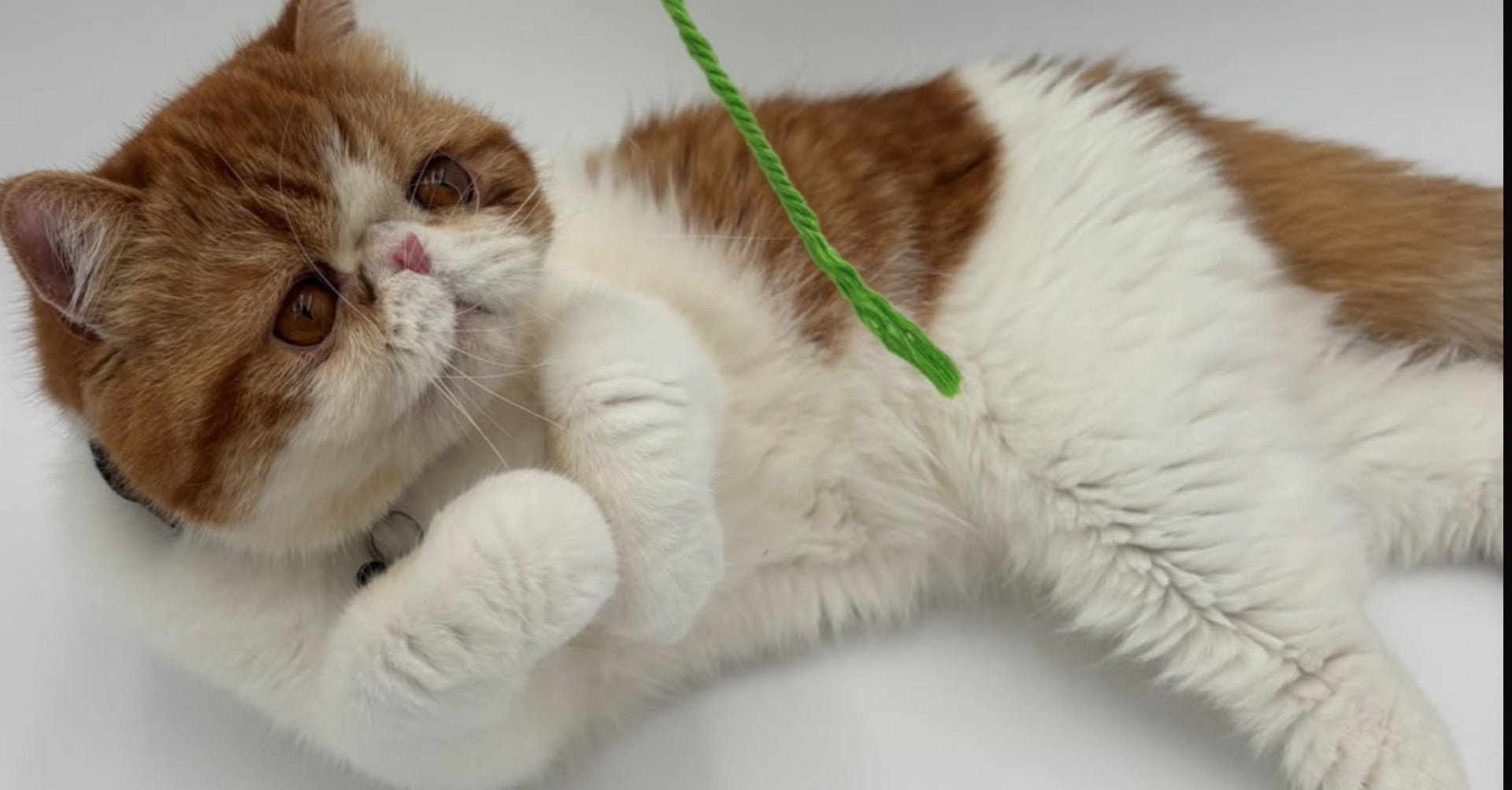
Interactive play is a human-powered hunt that provides psychological benefits solo toys simply cannot match. When you use a wand toy, you aren't just waving a stick; you are acting as the brain of the prey. You can mimic the fluttering of a bird or the scurrying of a mouse along the floorboards, forcing your cat to use their problem-solving skills. This mental engagement is essential for preventing the signs of understimulated cat boredom. Every session should be a journey of stealth and strategy, ending with your cat successfully pinning the toy to the floor. This "catch" releases dopamine and leaves them feeling like a successful hunter, which is the best recipe for a calm, happy pet who is ready for a long, peaceful nap.
Creating a Daily Enrichment Routine in a UK Home
Fitting an engaging life into a busy UK work schedule might seem daunting, but it’s the most effective way to eliminate the signs of understimulated cat behaviour. Many of us leave for the office or settle into a home studio for hours, leaving our cats with little to do but watch the clock. To combat this, we need to think beyond the floorboards. Most UK homes, especially in urban areas, have limited floor space, so utilising verticality is essential. Adding a few sturdy shelves or clearing the top of a wardrobe creates a "cat superhighway" that allows your pet to survey their kingdom from a safe height. This simple change provides mental focus and a sense of security that a flat environment lacks.
Another powerful tool for the indoor hunter is "Cat TV." Placing a bird feeder outside a secure window provides hours of visual stimulation. It’s a safe way for them to observe natural movements without the frustration of a red dot laser. We also recommend transitioning from traditional bowl-feeding to foraging. Instead of a static meal, try hiding small portions of their favourite biscuits in different spots around the house. This forces them to use their nose and brain to "hunt" for their dinner, effectively turning mealtime into a rewarding mental workout.
Morning and Evening Play Rituals
Structuring play around your natural routine helps your cat understand when it’s time to be active and when it’s time to rest. We suggest a ten-minute "Pre-Breakfast Burn" to stimulate their appetite and use up energy stored overnight. In the evening, a dedicated "Hunt" using The String Thing is the perfect way to ensure a quiet night’s sleep for everyone. These short, high-intensity bursts are much better for a cat's physiology than one long, exhausting session. It mirrors their natural energy cycles of intense activity followed by deep rest. If you need help choosing the right size for your home, speak with our friendly team today.
Environmental Hacks for Mental Focus
You don't need expensive equipment to keep a cat’s mind sharp. A simple cardboard box with holes cut into the sides or a crinkly tunnel can create a shifting indoor landscape that feels fresh and exciting. Scent enrichment is another often-overlooked strategy. Bringing in a piece of safe wood from a local park or offering a pinch of dried valerian or cat-safe herbs can provide a completely new sensory experience. Finally, ensure your cat has a "safe zone" high up where they can observe the household without being disturbed. This reduces stress and helps them feel more confident in their environment, further reducing the signs of understimulated cat anxiety.
Quality and Safety: The Maker’s Perspective on Play
When you start noticing the signs of understimulated cat behaviour, the temptation is to fill your home with every colourful gadget on the market. However, not all toys are created equal. Mass-produced items often fail the durability test of a high-energy kitten or a determined hunter. These products are frequently held together with industrial glues or cheap plastics that can break apart during a vigorous pounce. From a maker’s perspective, quality isn't just about how a toy looks; it’s about how it stands up to the reality of feline play. Handcrafted UK toys offer a safer, more robust alternative that respects the power of your cat’s natural instincts.
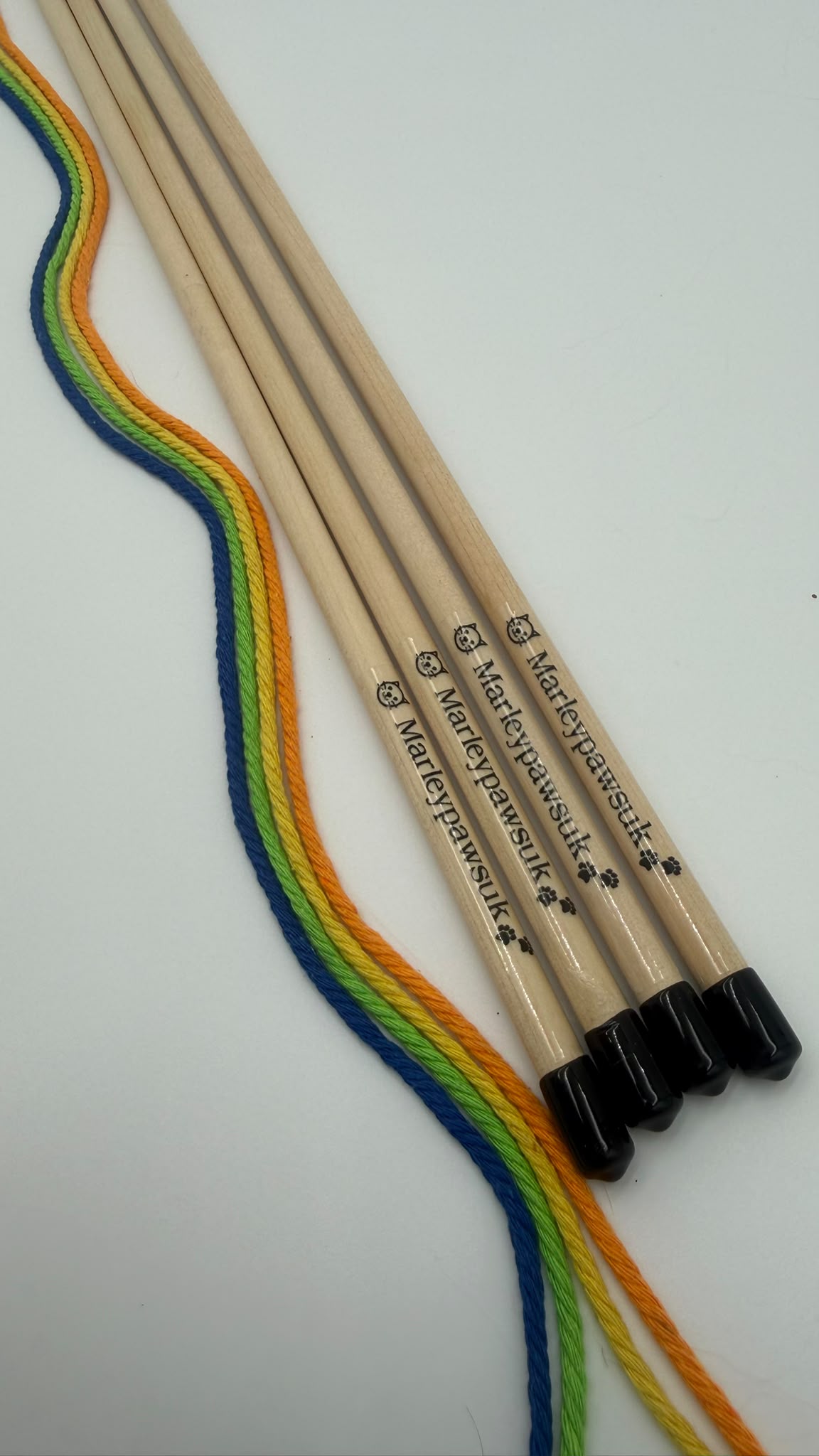
We believe that responsibly sourced materials make a world of difference. Natural textures like cotton and wood feel better to a cat’s paws and mouth than cold, synthetic alternatives. These materials carry a more organic scent and provide a tactile experience that mimics real prey. This sensory quality is what keeps a cat engaged for longer, ensuring that your investment in their happiness actually pays off. When a toy feels right, a cat is more likely to engage in the deep, satisfying play that prevents boredom from setting in.
Handmade in the United Kingdom
At Marley Paws, our commitment to quality is deeply personal. Every design we create is tested by our own cats to ensure it brings genuine joy and meets our high safety standards. Choosing local craftsmanship means we can pay close attention to every stitch and seam, avoiding the dangerous adhesives often found in mass-produced imports. You aren't just buying a plaything; you are supporting a small business that understands the unique needs of British cats. This level of care results in a more durable product that can withstand the most enthusiastic "bunny kicks" and pounces.
Safety First in Every Session
Interactive play is the most effective way to address the signs of understimulated cat restlessness, but it must be managed with care. Always supervise your cat whilst using string or wand toys, and store them securely in a cupboard once the session is over. This simple habit prevents accidental ingestion or entanglement when you aren't around to watch. If your cat wears a collar, ensure it features a safety break-away buckle that will release if they get caught whilst climbing. Check the fit regularly; you should comfortably fit two fingers between the collar and their neck. For a deeper look at making the most of your sessions, explore The String Thing Cat Toy: The Ultimate Guide to Interactive Play in 2026. Finally, inspect all toys weekly for wear and tear, and replace any items that show signs of fraying to keep every hunt safe and fun.
Bringing the Joy of the Hunt Home
Transitioning from simply identifying the signs of understimulated cat behaviour to actively enriching their daily life is one of the most rewarding journeys you can take with your pet. By embracing the natural "stalk, pounce, kill" sequence and prioritising high-quality interaction over mass-produced plastic, you are doing much more than just protecting your furniture. You are honouring your cat's wild heritage and ensuring their mental health remains as vibrant as their personality. A happy cat is a relaxed cat, and that peace of mind starts with a dedicated commitment to meaningful play.
At Marley Paws, we take immense pride in our craftsmanship. Every item is handmade in the United Kingdom using responsibly sourced materials, and each design has been rigorously tested by our own Marley Paws cats to ensure maximum engagement. We understand that every feline has a unique play style, whether they are a high-flying acrobat or a stealthy ground-stalker. If you aren't sure which tool will best suit your friend's instincts, contact us today for expert advice on choosing the perfect toy for your cat. We are always happy to help you strengthen the wonderful bond you share through the simple, transformative power of play.
Frequently Asked Questions
How much time should I spend playing with my indoor cat each day?
Aim for at least 20 to 30 minutes of play every day, ideally split into several shorter sessions. Cats are natural sprinters rather than marathon runners, so two or three 10 minute bursts of high intensity activity are much more effective than one long session. This approach mirrors their natural energy cycles and keeps them from becoming over-tired or losing interest in the game.
Can an indoor cat be truly happy without going outside?
Yes, an indoor cat can live a perfectly fulfilled and happy life if their home environment is sufficiently enriched. Whilst the outdoors provides natural stimuli, it also carries significant risks such as traffic and local wildlife. By providing vertical climbing spaces, interesting window views, and interactive play that satisfies their hunting instincts, you can create a stimulating world inside your home that meets all their biological needs.
What are the most common signs of an understimulated cat?
The most frequent signs of understimulated cat behaviour include destructive scratching of furniture, excessive vocalisation, and frantic "zoomies" late at night. You might also notice physical indicators such as overgrooming or a sudden pestering for food when they aren't actually hungry. These actions are often a way for your pet to release pent-up energy that isn't being used for natural hunting behaviours.
My cat doesn’t seem interested in toys; what should I do?
Try changing your play technique to mimic the movements of real prey more closely. If you simply wave a toy in a cat's face, they may find it boring or even a bit startling. Instead, make the toy "hide" behind a chair leg or move erratically away from them across the floor. Using high quality, handmade toys with natural textures can also pique their interest far more than cold, mass produced plastic items.
Is it safe to leave my cat alone with string toys?
No, you should never leave a cat unsupervised with any string, ribbon, or wand-style toys. These items can be accidentally swallowed or become wrapped around a cat's neck, leading to serious health risks. Always store your String Thing or other interactive toys securely in a cupboard once your play session has finished. This keeps the toy safe and maintains its "novelty" value for the next hunt.
How do I stop my cat from being bored whilst I am at work?
Provide plenty of independent enrichment such as food puzzles, cardboard tunnels, and safe window perches before you leave. You can also hide small portions of their dry food around the house to encourage a "treasure hunt" whilst you are away. Rotating their solo toys every few days keeps the indoor environment feeling fresh and helps prevent the signs of understimulated cat boredom from developing during your working hours.
Should I get a second cat to keep my first cat entertained?
Adding a second cat is a significant commitment and isn't always a guaranteed fix for boredom. Whilst many cats enjoy feline company, others are quite solitary and may find a new arrival stressful rather than fun. It’s usually better to focus on improving the home environment and increasing your own interactive play sessions first. If you do choose a companion, try to find one with a similar energy level and temperament.
What is the best way to introduce a new toy to a shy cat?
Introduce new items slowly and let your cat approach them on their own terms. Place the toy in their favourite room without moving it, allowing them to sniff and investigate it whenever they feel brave enough. Once they seem comfortable with its presence, start with very gentle, low-to-the-ground movements that move away from the cat. Avoid any sudden gestures or loud noises that might startle them, and always reward their curiosity.