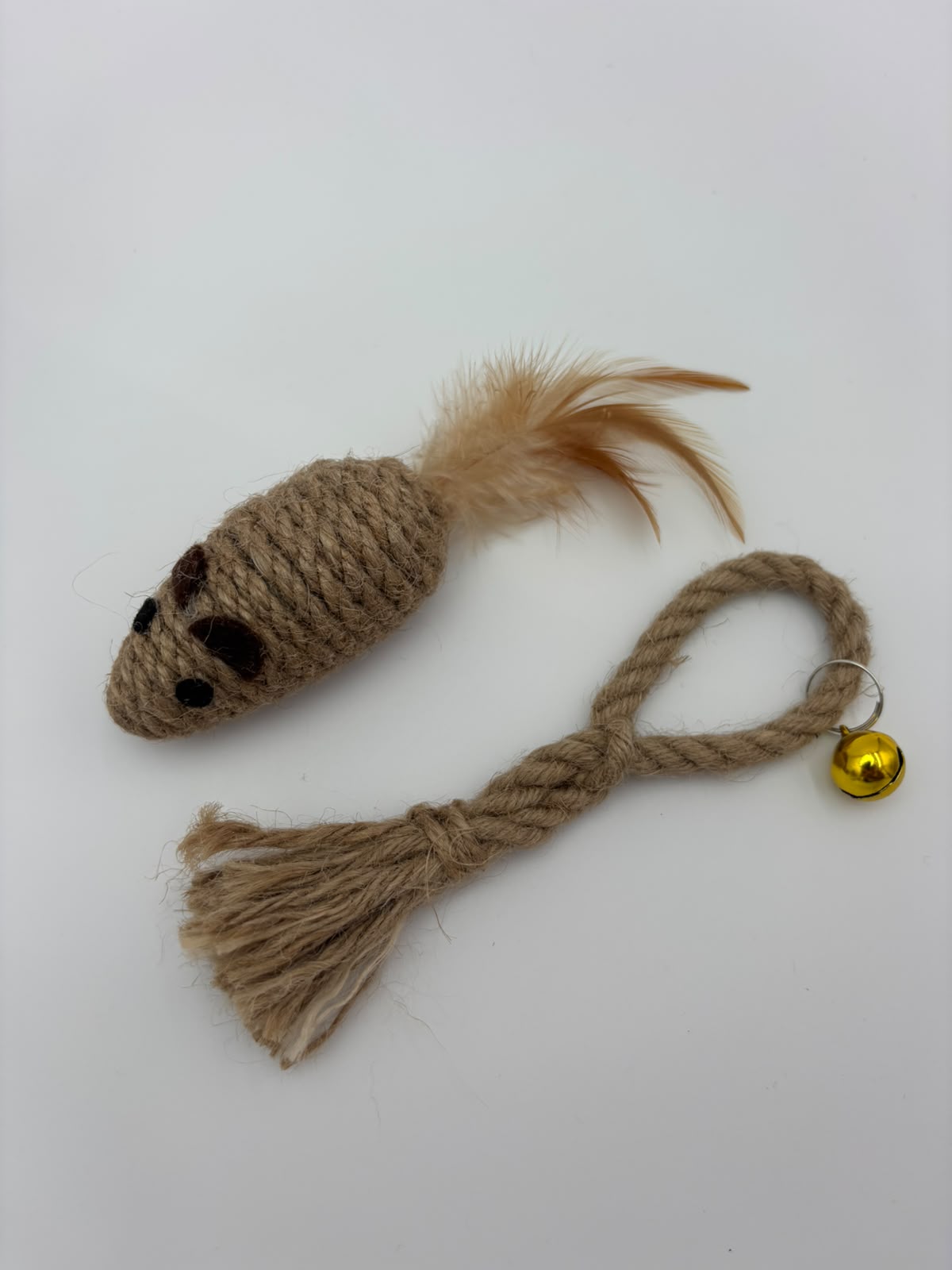


How to Play With a Cat: Guide to Feline Enrichment
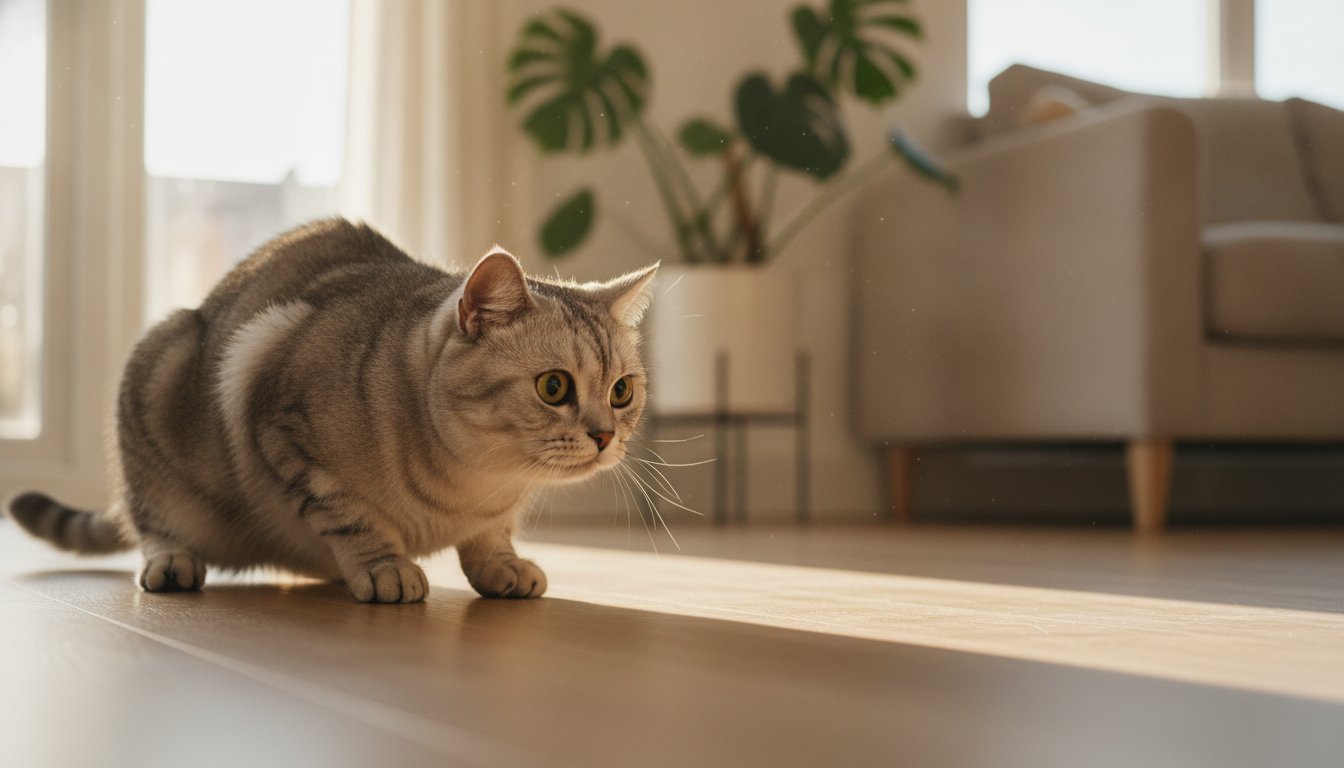
Have you ever wondered why your cat ignores that expensive battery-powered gadget in favour of a stray bit of ribbon? It's a common frustration that often leaves us feeling a touch of guilt whilst our feline friends lounge about looking thoroughly unimpressed. Learning how to play with a cat effectively isn't actually about the price tag on the toy. It's about mastering the art of "being the prey" to trigger those deep-seated hunting instincts that every cat carries within them.
We know how it feels when your best efforts at playtime lead to nothing but a yawn or, worse, a set of scratches on your hand. You want a happy, stimulated companion who feels truly seen and engaged. This guide shares the secrets to purposeful play that respects your cat's natural rhythm and strengthens your emotional bond. We'll look at how to choose the right movements, the importance of handcrafted quality, and why simple, interactive tools often provide the best enrichment for a satisfied, active pet.
Key Takeaways
- Discover why play is a vital outlet for your cat’s predatory nature, helping to prevent boredom and support their overall well-being.
- Learn the specific steps of the ‘Hunt, Catch, Kill’ cycle to master how to play with a cat in a way that feels authentic to them.
- Establish a rewarding routine using short, purposeful sessions that fit easily into your day whilst strengthening the emotional bond with your pet.
- Find out how to utilise vertical space and varied textures to create a stimulating home environment that encourages natural exploration.
- Understand the benefits of choosing handcrafted British toys, such as The String Thing, which are designed to withstand enthusiastic play and keep cats engaged.
Why Play is Essential for a Happy, Healthy Cat
Play is the heartbeat of a cat's daily life. It's far more than a simple way to pass the time; it's a fundamental requirement for their physical and emotional health. For a domestic cat, the living room is their territory, and play provides the only safe outlet for their deep-seated predatory nature. Without this outlet, that pent-up energy often transforms into frustration. This can lead to unwanted behaviours like shredded curtains or midnight "zoomies" that keep the whole house awake. Understanding how to play with a cat is about more than just entertainment; it's about providing a necessary release for their wild instincts.
Gaining a deeper understanding feline behavior is the first step in learning how to play with a cat effectively. When we engage them in a game, we aren't just waving a wand; we're providing a vital mental workout. This stimulation is crucial for preventing common issues such as anxiety or over-grooming, which often stem from a lack of purpose. A cat who "hunts" a toy is a cat who feels confident and secure in their environment. Regular activity also helps manage weight and supports joint health, which is particularly vital for indoor-only felines who lack the space for natural roaming.
The Physical and Mental Health Benefits
Feline enrichment is the deliberate practice of satisfying a cat's innate instincts through environmental changes and active engagement. For growing kittens, these sessions are essential for developing fine motor skills and coordination. As they mature into adults, regular activity helps maintain muscle tone and supports healthy joints. In a multi-cat household, shared play can even reduce tension by providing a neutral focus for their energy. This helps to foster a more peaceful atmosphere amongst your pets whilst preventing the boredom that leads to household destruction.
Strengthening the Bond Between You
Every flick of a string or pounce on a feather is a building block in your relationship. Interactive play is far superior to solo play because it creates strong, positive associations with your presence. When you use tools like The String Thing, you're not just a spectator; you're a partner in the hunt. This shared experience is the primary language of trust. By observing how your cat stalks, pounces, or hides, you'll begin to understand their unique personality and preferences. It's in these quiet, focused moments that the deepest emotional connections are forged, turning a simple pet-owner dynamic into a true partnership.
Understanding the 'Hunt, Catch, Kill' Cycle
Every time you pick up a toy, you aren't just engaging in a game; you're facilitating a ritual. For felines, play is a vital rehearsal for survival that follows a predictable instinctual sequence: the stalk, the pounce, the catch, and the kill. When learning how to play with a cat, it's essential to understand that stopping mid-cycle can cause genuine psychological distress. If a cat stalks and pounces but never actually feels anything under their claws, they can become frustrated. This pent-up energy often manifests as "unexplained" aggression or preventing destructive behavior like biting ankles or scratching at the carpet.
Providing a tangible "catch" at the end of a session is crucial for their satisfaction. A cat's brain is wired to expect a physical reward for their effort. Without that final moment of contact, the hunting loop remains open, leaving the cat in a state of high alert rather than relaxation. By ensuring they can physically grab and manipulate their "prey," you help them complete the cycle and transition into a calm, contented state.
Mimicking Natural Prey Movements
To keep a cat truly engaged, you must learn to think like their prey. Mice don't run towards a cat; they scurry along walls, dart behind corners, and hide under furniture. Birds flit in short, unpredictable bursts. Use your toy to mimic these movements by moving it away from your cat rather than towards them. One of the most effective techniques is "the freeze." Prey that suddenly stops moving is often more enticing than something constantly waving in a cat's face. It forces them to focus, wait, and calculate the perfect moment to strike. Using varied textures, such as those found in our Cat Toys & Accessories, helps simulate the authentic feel of feathers or fur under their paws.
The Importance of the 'Catch' and Reward
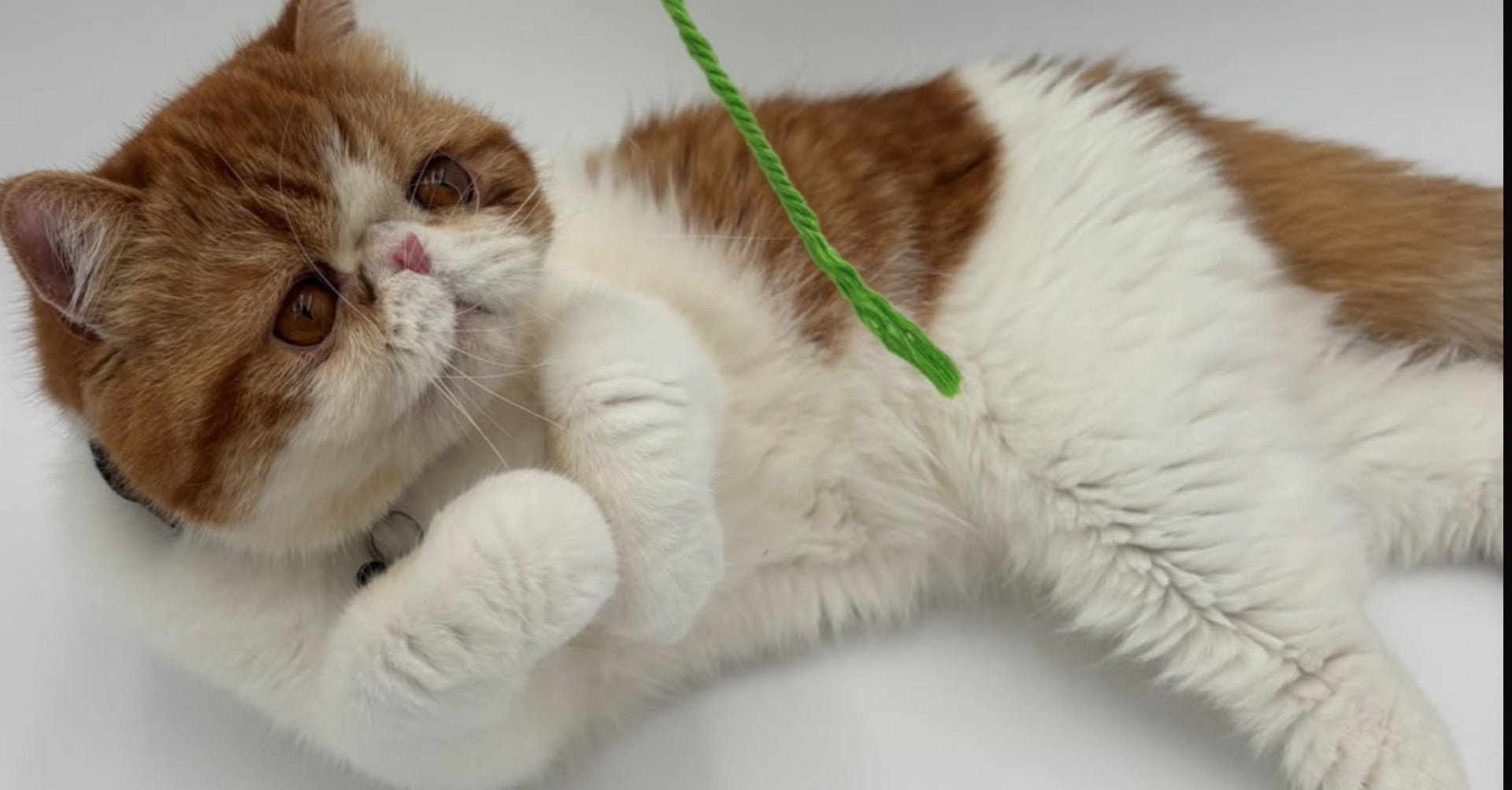
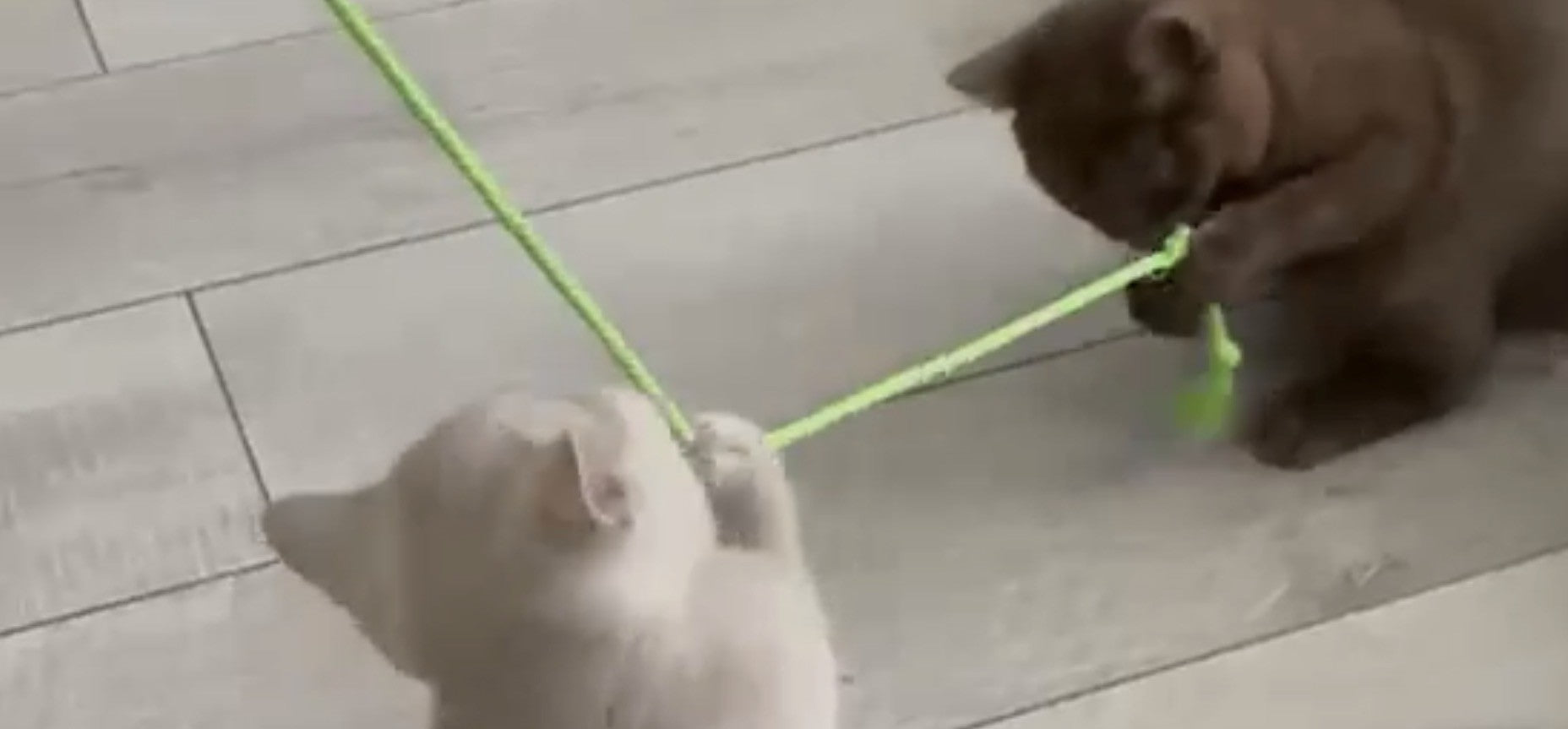
The climax of the hunt is the physical contact. Cats need to feel the resistance of a "catch" to signal to their brain that the hunt was successful. This is when you'll often see the "bunny kick," where they hold the toy with their front paws and rake it with their back legs. The String Thing is specifically designed to provide this tactile satisfaction, giving them something substantial and durable to grab and hold. Ending a play session with a small treat or a meal can further signal that the hunt is over and the reward has been earned. This mimics the natural feline rhythm of hunting, eating, grooming, and sleeping. If you're unsure which of our handcrafted items would best suit your cat's specific hunting style, please get in touch with us for a friendly recommendation.
Master the Art of Interactive Play
Interactive play isn't just about throwing a toy across the rug and hoping for the best. It requires you to be an active participant in your cat's world. By taking the lead, you transform a simple object into living prey, which is essential for true feline enrichment. Establishing a routine is the best way to keep your cat's energy levels balanced. Aim for two focused sessions of about 10-15 minutes each day. These short bursts of activity mimic the natural energy cycles of a hunter. When considering how to play with a cat, always remember that prey never runs towards a predator. Move the toy away from your cat, darting behind furniture or ducking under cushions to spark their curiosity. Varying the speed and height of the toy keeps their mind sharp and prevents the game from becoming predictable.
Using Wand and String Toys Effectively
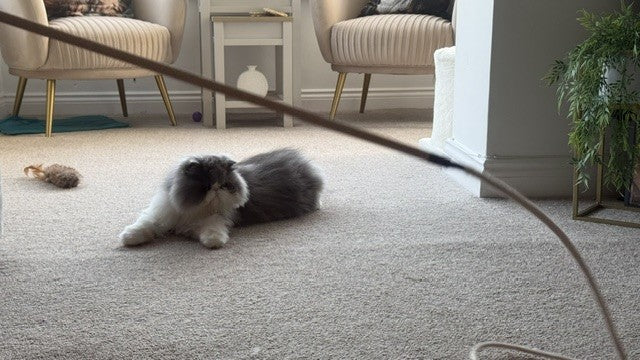
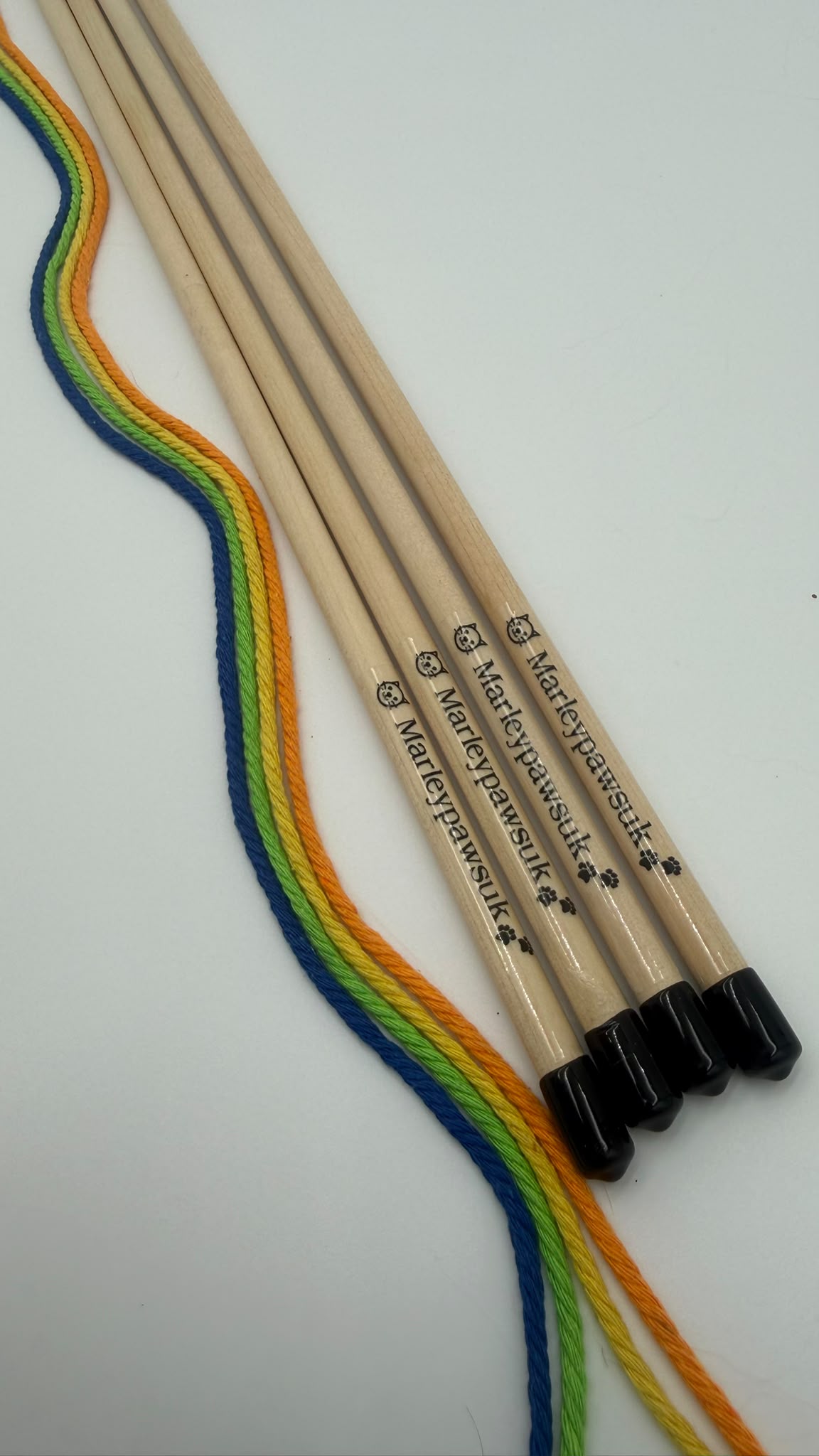
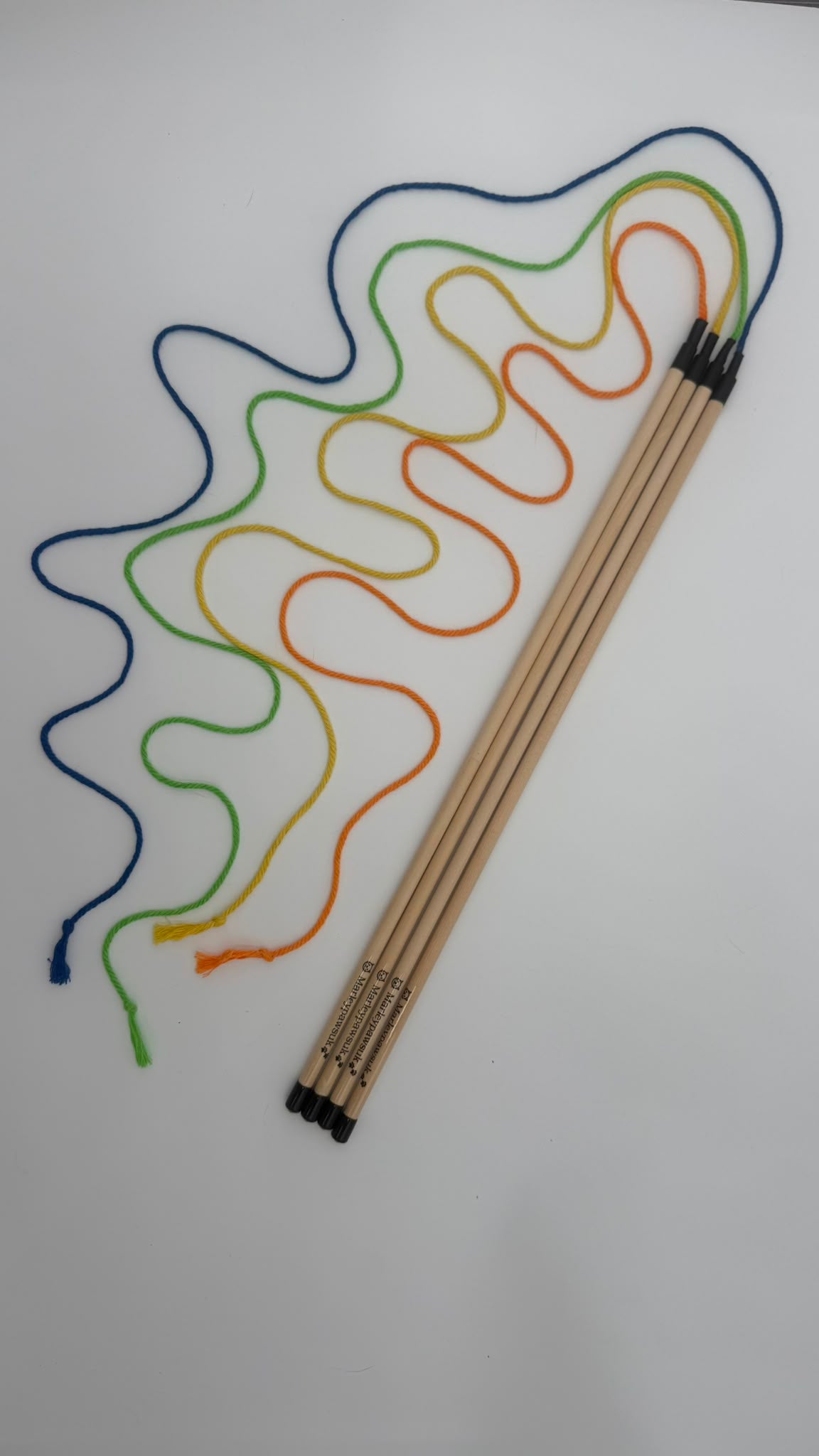
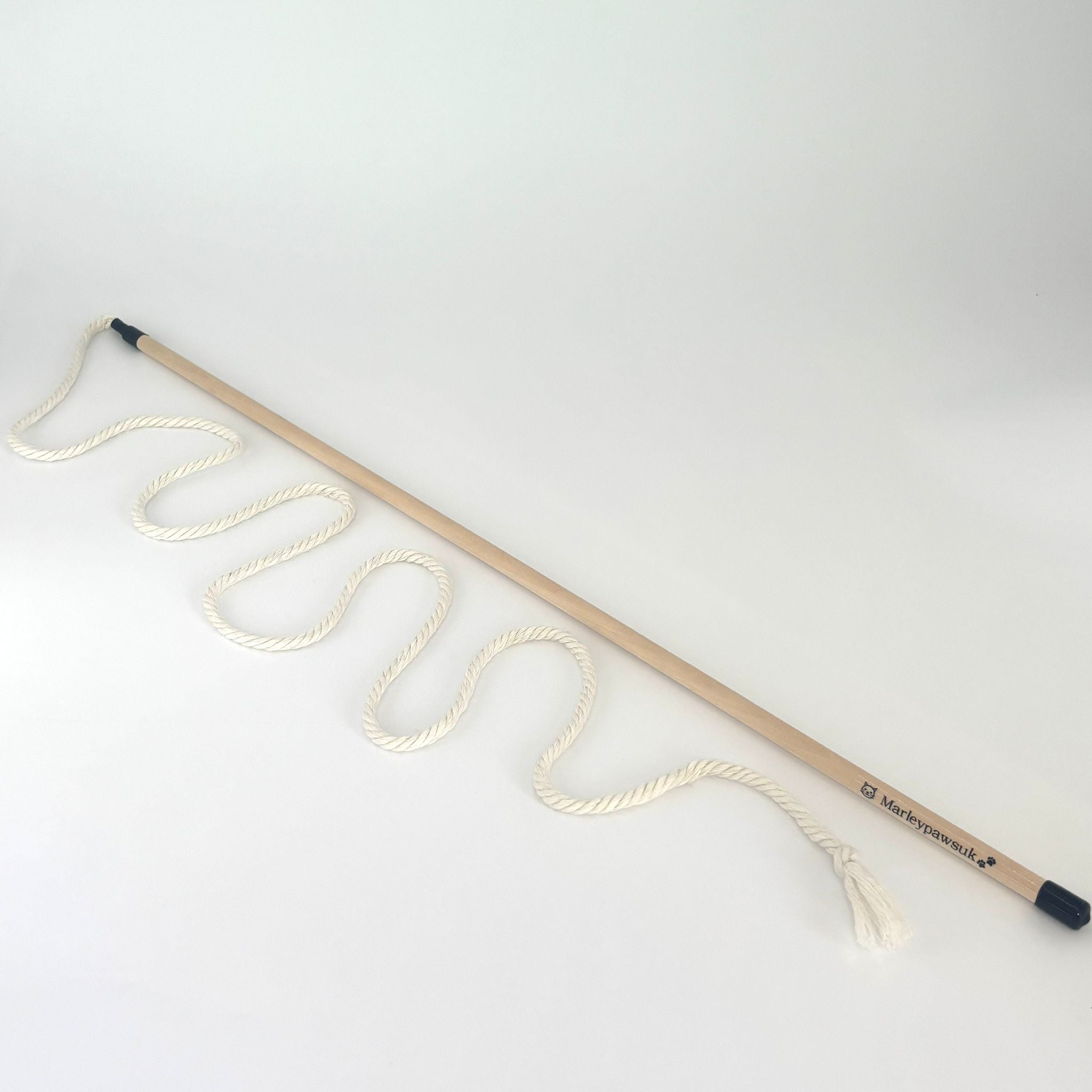
Wand toys are perhaps the most effective tools for mimicking the erratic movement of birds or small mammals. Try using the "fishing rod" technique by casting the toy into your cat's peripheral vision rather than dropping it directly in front of them. This subtle movement triggers a much stronger stalking response. String toys are particularly brilliant at stimulating the chasing instinct because they can slither and twitch like a tail or a snake. Engaging in this type of activity is a great way to develop the bond between you and your pet. For a tool that offers the perfect weight and movement for this technique, you might explore The String Thing collection. These are handcrafted in the United Kingdom and designed to move in a way that feels authentic to a pouncing cat.
Avoiding Common Playtime Mistakes
It's easy to get caught up in the excitement, but it's vital to set boundaries. Never use your hands or feet as toys. Whilst it might seem harmless with a kitten, it encourages biting and scratching behaviours that are difficult to correct later. You should also stay alert for signs of over-stimulation. If your cat's tail begins to thump heavily or their ears pin back, it's time to wind down the session before it gets too rough. Safety is always the priority for a family-run business like ours. Always store string toys safely away in a cupboard when not in use. This prevents any risk of accidental ingestion and ensures that the toy remains a special treat for supervised play sessions only.
Organising Your Home for Play and Enrichment
Your home environment plays a massive role in the success of your play sessions. To understand how to play with a cat effectively, you must first look at your living space through their eyes. A feline-friendly home should cater to both high-energy sprints and quiet, calculated stalking. Long hallways make excellent "runways" for full-speed chases, allowing your pet to stretch their muscles and reach satisfying speeds. Keeping these areas clear of clutter and rugs that might slip ensures they can move with total confidence. Conversely, incorporating hiding spots like tunnels or simple cardboard boxes provides essential cover for the stalking phase of the hunt, allowing them to feel like a true predator in the wild.
Safe Spaces and Vertical Play
Cats are three-dimensional thinkers who often feel most secure when they can survey their territory from above. This "high ground" is more than just a vantage point; it's a sanctuary that builds confidence during play. By utilising vertical space, such as cat trees, wall shelves, or even the top of a sturdy wardrobe, you add a vital 3D element to your interactive sessions. You can even use your existing furniture to create an instinct-driven obstacle course, encouraging them to leap and climb. If your cat tends to take their energy out on your furniture, using play as a redirection tool is a brilliant strategy. Leading them away from the sofa towards a designated climbing area satisfies their urge to hunt whilst protecting your home interior.
Rotating Toys to Prevent Boredom
Novelty is a powerful motivator for any hunter, and rotating your equipment is the easiest way to maintain it. If the same toy sits in the same corner for weeks, it eventually becomes part of the scenery rather than a target. We recommend keeping only two or three toys out at any one time to preserve their "newness" value. Try rotating different textures, such as feathers, felt, or durable string, on a weekly basis to keep their senses sharp and their curiosity piqued. This variety is exactly why we focus on a diverse range of cat toys and accessories, each handcrafted to provide a unique sensory experience. When a "lost" toy reappears after a week in the cupboard, it sparks fresh interest as if it were a brand-new discovery.
Creating the perfect environment for your pet is a rewarding journey of discovery. It's about finding that perfect balance between a comfortable home and a stimulating habitat. If you would like more personalised advice on how to play with a cat or want to know which of our tools best suits your home layout, please get in touch with our friendly team. We are always happy to share tips from our own experience as cat lovers and makers.
Elevating Playtime with Handcrafted British Quality
Mastering how to play with a cat requires more than just the right movements; it requires tools that respect their biology. Whilst a simple bit of plastic might catch their eye for a moment, it rarely sustains their interest or provides the tactile feedback they crave. Choosing toys made from responsibly sourced, natural materials ensures a safer and more rewarding experience during high-energy sessions. Supporting a family-run British business ensures that every toy is crafted with a level of care that mass production simply cannot match. We take immense pride in our craftsmanship, ensuring every item is durable enough for the most enthusiastic hunters. Every Marley Paws product is thoroughly tested by our own cats, ensuring it stands up to the rigours of daily pouncing and bunny-kicking before it ever reaches your home.
The Marley Paws Philosophy
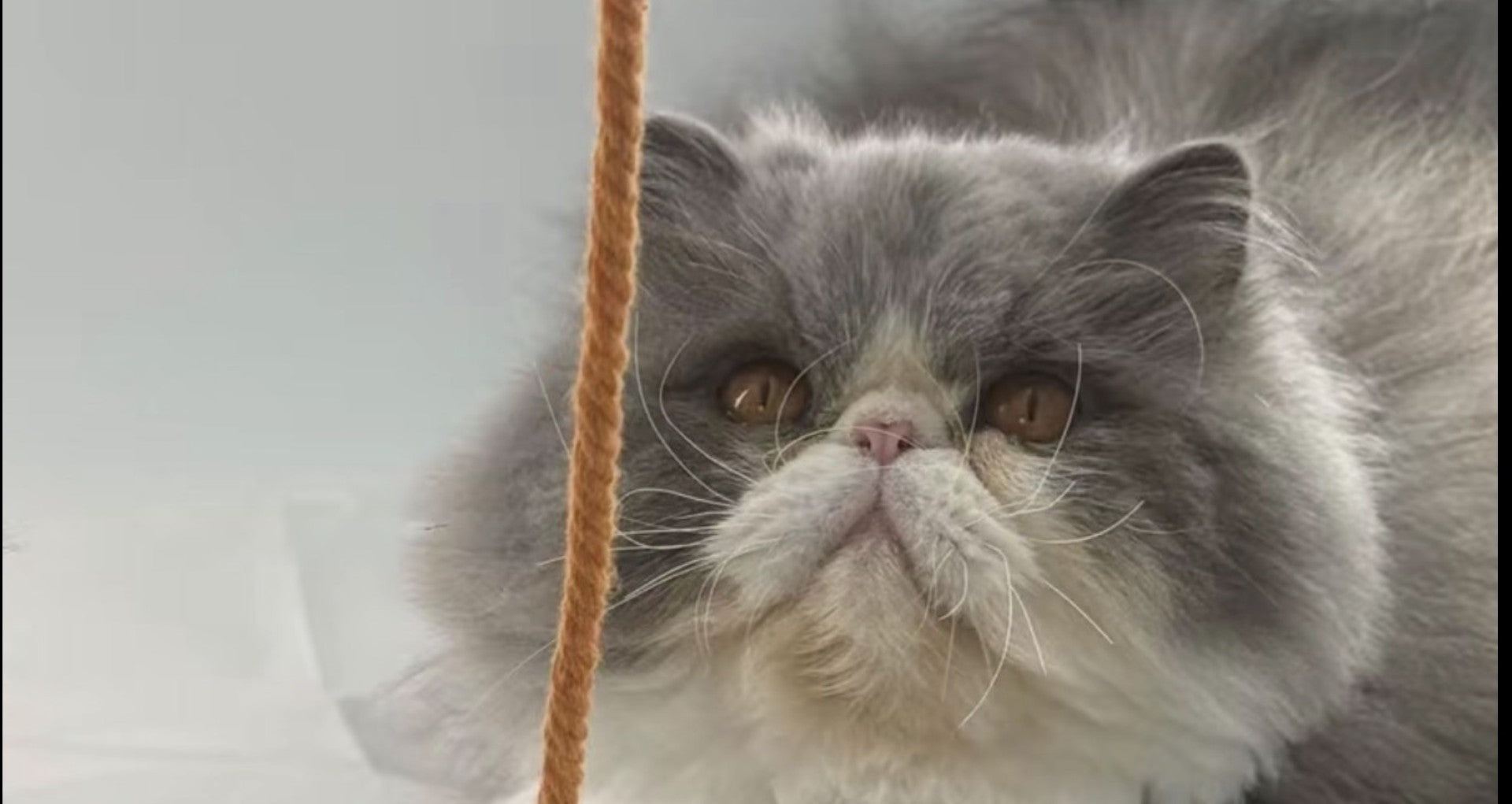
Our journey began with a beautiful Persian cat named Marley. He was the inspiration behind everything we do, often showing us exactly what worked and what fell flat in the world of feline enrichment. We realised that many cats were bored because their toys didn't speak to their true nature. This led to our "Maker's Promise," which is our commitment to quality and engagement. Every stitch is placed with purpose, and every material is selected to encourage natural play. We believe that every cat deserves a toy that feels like a real challenge. You can learn more about Marley Paws and our dedication to local, sustainable craftsmanship on our about page.
Why Handcrafted Materials Matter
The tactile experience is a frequently overlooked part of feline enrichment. Cats possess highly sensitive receptors in their paws and mouths, meaning the "mouthfeel" of a toy is just as important as its movement through the air. Natural materials provide a variety of unique textures and weights that help stimulate hunting instincts in a way that feels authentic to your pet. This handmade quality offers a level of durability that far exceeds standard throwaway toys, making them a more sustainable choice for your home. When a cat catches a handcrafted toy, they feel a satisfying resistance that signals a successful hunt. This physical feedback is key to completing the predatory cycle and leaving your cat feeling content. For those looking for deeper product insight into our most popular tool, our article on The String Thing: The Ultimate Guide provides everything you need to know about this signature item.
Transforming Play into a Shared Adventure
Mastering the "hunt, catch, kill" rhythm and organising your home to support vertical play are the first steps toward a more satisfied feline friend. By focusing on the technique of moving toys like real prey, you'll see a genuine transformation in your cat's confidence and the strength of your emotional bond. Learning how to play with a cat is a rewarding journey of discovery that turns ordinary daily interactions into extraordinary adventures for you both.
At Marley Paws, we believe that quality tools make all the difference in these focused moments. Our toys are Handmade in the United Kingdom and crafted from responsibly sourced materials for your peace of mind. Every item, from our signature String Thing to our varied accessories, has been tested by our own cats for safety and durability during those high-energy pounces. We are dedicated to helping you create a home environment where your cat can truly thrive.
If you're ready to banish boredom and find the perfect tool for your cat's unique personality, please get in touch with us today. We would love to help you choose the ideal enrichment items to keep your favourite companion active and engaged for years to come.
Frequently Asked Questions
How long should I play with my cat each day?
Aim for roughly 20 to 30 minutes of activity each day, ideally split into two shorter sessions of 10 to 15 minutes. This rhythm mimics the natural bursts of energy a cat would use in the wild. If you're learning how to play with a cat for the first time, you'll find that these short, intense bursts are far more effective than one long, exhausting session. It keeps their interest high and prevents physical overexertion.
Why does my cat lose interest in toys so quickly?
Cats often lose interest if the toy becomes predictable or if it's always available. In nature, prey is elusive and varied. If a toy just sits on the carpet, it's effectively "dead" to your cat. Try rotating your collection weekly and focus on mimicking the erratic movements of a bird or mouse. Using handcrafted items with unique textures can also provide the sensory variety needed to keep a curious hunter engaged for longer.
Is it okay to let my cat play with my hands or fingers?
It's best to avoid using your hands or feet as toys to prevent encouraging rough behaviour. Whilst it might seem cute with a tiny kitten, it can lead to painful scratches and bites as they grow stronger. Always use a tool that provides distance between your skin and their claws. Interactive toys like The String Thing are perfect for this, as they allow your cat to focus their predatory energy on the toy rather than your fingers.
What is the best type of toy for a high-energy kitten?
High-energy kittens thrive on toys that encourage long-distance chasing and acrobatic pounces. They have a lot of "zoomie" energy to burn off, so wand toys that allow them to run across the room are ideal. Our Kitten String Thing is specifically designed for these smaller, faster hunters. It's lightweight enough for them to carry but durable enough to withstand their sharp milk teeth and enthusiastic pouncing during those early developmental months.
Can I leave string toys out for my cat to play with alone?
You should never leave string or wand toys out for unsupervised play. These items are designed for interactive sessions between you and your pet. If left alone, there's a risk your cat could swallow the string or become tangled, which can lead to serious health issues. Always store your interactive tools safely in a cupboard once the session is over. This also helps maintain the toy's novelty value, making it more exciting when it reappears.
How do I know if my cat's play is getting too aggressive?
Look for physical cues like a heavily thumping tail, ears pinned back, or dilated pupils. Whilst some intensity is normal, these signs often indicate that your cat is becoming over-stimulated. If they start to hiss or their play becomes directed at you rather than the toy, it's time to pause. Learning how to play with a cat involves knowing when to wind down the energy and end on a calm, positive note before frustration sets in.
My cat is older; do they still need to play?
Senior cats absolutely still need play, though the pace should be adjusted to suit their comfort. Gentle movement helps keep their joints mobile and provides essential mental stimulation to prevent cognitive decline. You don't need high-speed chases; instead, focus on quiet stalking and "ground prey" movements. Even a few minutes of batting at a textured toy can significantly improve the quality of life for an older feline friend.
What should I do if my cat only wants to play at night?
Schedule a vigorous play session followed by a main meal just before you go to bed. Cats are naturally crepuscular, meaning they are most active at dawn and dusk. By providing a "hunt" and then a "catch" right before your own sleep, you trigger their natural instinct to groom and then rest. This routine helps align their internal clock with your household's schedule, ensuring a quieter night for everyone.